- Home
- Tutorial
- Resource Guides
- Focus Areas
- LSF Programs
-
Professional
Development - Review Process
-
A project of LSF

Search for Resources
Description
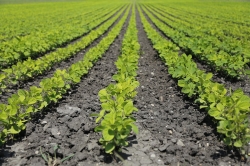
Climate plays an important role in determining where food can be grown and how it reaches our tables. In this lesson, students investigate how climate affects food production, explore where common fruits and vegetables are grown, and examine how climate change may impact food security and agriculture in the future.
Students will:
- investigate where common foods are grown and identify patterns related to climate and geography
- compare weather and climate and explore how both influence agricultural production
- analyze how temperature, precipitation, and growing conditions affect crop growth
- examine the relationship between climate change and food security
- explore how farmers can adapt to changing climate conditions through technology and innovation
- participate in discussions, mapping activities, and inquiry-based learning to develop their understanding of food systems and sustainability
- consider how climate change may affect food production in different regions of the world.
General Assessment
What skills does this resource explicitly teach?
Students will develop research and inquiry skills as they investigate where food is grown and how climate affects food production. They also practice data analysis, map interpretation, making connections between climate and agriculture and communicating their ideas through class discussions and written responses.
Strengths
- The topic is current and relevant as it connects climate change, food production, and food security.
- Students explore real-world examples of where food is grown and how climate affects agricultural systems.
- The lesson encourages critical thinking through inquiry, discussion, and analysis of climate and food-related issues.
- Hands-on mapping and investigation activities help students make connections between geography, climate, and food production.
- Multiple resources, including videos, maps, readings, and discussion questions, support student learning.
- The resource highlights both the challenges of climate change and potential solutions through adaptation and innovation in agriculture.
- Well organized and easy to use, with clear learning outcomes, background information, and step-by-step activities.
Weaknesses
- Indigenous perspectives, Traditional Ecological Knowledge (TEK), and diverse cultural approaches to food production are not included.
- While students investigate real-world issues, opportunities for student action are limited and do not extend beyond classroom learning.
- The lesson is highly structured, leaving limited opportunities for students to generate their own inquiry questions or direct their learning.
- No specific accommodations, modifications, or differentiation strategies are provided for students with diverse learning needs.
- Assessment opportunities are limited, with few tools for self-assessment, reflection, or teacher evaluation.
Recommendation of how and where to use it
This resource would support Environmental Science, Geography, Biology, or Climate Change units when exploring the connections between climate, food systems, agriculture, and sustainability. It is particularly useful as an introductory lesson on climate change or food security because it helps students make real-world connections between the food they eat and the environmental conditions needed to produce it.
Relevant Curriculum Units
The following tool will allow you to explore the relevant curriculum matches for this resource. To start, select a province listed below.
- Step 1Select a province
- Alberta
- British Columbia
- Step 2Select a grade level
- Grade 11
- Step 3Select a subject
- Environmental Science
- Step 4Relevant matches
- Environmental Science 11: Human practices affect the sustainability of ecosystems
- Environmental Science 11:Humans can play a role in stewardship and restoration of ecosystems
- Science
- Step 4Relevant matches
- Earth Science 11: The transfer of energy through the atmosphere creates weather and is affected by climate change
- Science for Citizenship 11: Scientific understanding enables humans to respond and adapt to changes locally and globally
- Grade 12
- Step 3Select a subject
- Environmental Science
- Step 4Relevant matches
- Environmental Science 12: Human activities cause changes in the global climate system
- Science
- Step 4Relevant matches
- Specialized Science 12: Climate change impacts biodiversity and ecosystem health
- Manitoba
- New Brunswick
- Step 2Select a grade level
- Grade 9
- Step 3Select a subject
- Science
- Step 4Relevant matches
- Science 9 Ecosystem Dynamics: Learning and Living Sustainably
- Science 9 Ecosystem Dynamics: Scientific Literacy
- Grade 10
- Step 3Select a subject
- Science
- Step 4Relevant matches
- Learning and Living Sustainably (STSE)
- Science 10 Science for Sustainable Societies
- Grade 12
- Step 3Select a subject
- Environmental Science
- Step 4Relevant matches
- Introduction to Environmental Science 120: Investigating Environmental Issues
- Newfoundland & Labrador
- Step 2Select a grade level
- Grade 10
- Step 3Select a subject
- Science
- Step 4Relevant matches
- Science 1206: Weather Dynamics
- Grade 11
- Step 3Select a subject
- Family Studies
- Step 4Relevant matches
- Nutrition 2101: Food Choices and Nutritional Needs
- Nutrition 2102: Food Selection, Preparation and Storage
- Science
- Step 4Relevant matches
- Science 2200: Weather Dynamics
- Grade 12
- Step 3Select a subject
- Environmental Science
- Step 4Relevant matches
- Environmental Science 3205: Land Use & the Environment
- Family Studies
- Step 4Relevant matches
- Nutrition 3102: Food Nutrition & Health
- Nutrition 3102: Food Security
- Nutrition 3102: Food Technology & Production
- Geography
- Step 4Relevant matches
- World Geography 3200/3202: Ecosystems
- World Geography 3200/3202: Primary Resource Activities
- World Geography 3200/3202: World Climate Patterns
- Northwest Territories
- Step 2Select a grade level
- Grade 11
- Step 3Select a subject
- Environmental Science
- Step 4Relevant matches
- Environmental Science 11: Human practices affect the sustainability of ecosystems
- Environmental Science 11:Humans can play a role in stewardship and restoration of ecosystems
- Science
- Step 4Relevant matches
- Earth Science 11: The transfer of energy through the atmosphere creates weather and is affected by climate change
- Science for Citizenship 11: Scientific understanding enables humans to respond and adapt to changes locally and globally
- Grade 12
- Step 3Select a subject
- Environmental Science
- Step 4Relevant matches
- Environmental Science 12: Human activities cause changes in the global climate system
- Environmental Science 12: Sustainable land use is essential to meet the needs of a growing population
- Science
- Step 4Relevant matches
- Specialized Science 12: Climate change impacts biodiversity and ecosystem health
- Nova Scotia
- Step 2Select a grade level
- Grade 10
- Step 3Select a subject
- Family Studies
- Step 4Relevant matches
- Food Technology 10: Food industry Technology
- Food Technology 10: Issues Related to the Food Industry
- International Foods 10: An Introduction to Global Foods
- International Foods 10: Global Awareness
- International Foods 10: Global Food Tour
- Science
- Step 4Relevant matches
- Science 10: Weather Dynamics
- Grade 11
- Step 3Select a subject
- Career-Related Courses
- Step 4Relevant matches
- Agriculture 11: Beyond the Farm Gate
- Agriculture 11: Connections—Factors, Experiments, and Lives
- Agriculture 11: Foods
- Agriculture 11: Primary Production Systems
- Agriculture 11: Support Systems
- Grade 12
- Step 3Select a subject
- Geography
- Step 4Relevant matches
- AP Human Geography: Agricultural and Rural Land - Use Patterns and Processes
- Nunavut
- Ontario
- Step 2Select a grade level
- Grade 9
- Step 3Select a subject
- Family Studies
- Step 4Relevant matches
- Food and Nutrition: Food Choices
- Food and Nutrition: Local and Global Foods
- Geography
- Step 4Relevant matches
- Exploring Canadian Geography: Liveable Communities
- Science
- Step 4Relevant matches
- :Biology: Sustainable Ecosystems
- Grade 10
- Step 3Select a subject
- Family Studies
- Step 4Relevant matches
- Food and Nutrition: Food Choices
- Food and Nutrition: Local and Global Foods
- Grade 11
- Step 3Select a subject
- Environmental Science
- Step 4Relevant matches
- Environmental Science (Univ/College Prep.) Sustainable Agriculture and Forestry
- Geography
- Step 4Relevant matches
- Forces of Nature: Physical Processes and Disasters (Univ./College Prep.): The Physical Environment: Sustainability and Stewardship
- Grade 12
- Step 3Select a subject
- Family Studies
- Step 4Relevant matches
- Nutrition and Health: Global and Local Issues
- Nutrition and Health:Eating Patterns and Trends
- Geography
- Step 4Relevant matches
- Living in a Sustainable World (Workplace Prep.) Ecosystems and Human Activity
- Living in a Sustainable World (Workplace Prep.) Sustainability of Natural Resources
- The Environment & Resource Management (Univ./College Prep.):Sustainability and Stewardship of Natural Resources
- World Geography: Urban Patterns & Populations (Univ. / College Prep.): Sustainability and Stewardship
- World Issues: A Geographic Analysis (College Prep.):Sustainability and Stewardship
- World Issues: A Geographic Analysis (Univ. Prep.):Sustainability and Stewardship
- Prince Edward Island
- Step 2Select a grade level
- Grade 9
- Step 3Select a subject
- Home Economics
- Step 4Relevant matches
- Intermediate Home Economics:Food
- Grade 10
- Step 3Select a subject
- Science
- Step 4Relevant matches
- Science 431A: Earth and Space Science, Weather Systems
- Grade 12
- Step 3Select a subject
- Science
- Step 4Relevant matches
- Agriscience 801A: Crop Production
- Agriscience 801A: Green Spacing
- Agriscience 801A: Overview
- Agriscience 801A: Plant Biology
- Agriscience 801A: Soil and Water Management
- Saskatchewan
- Yukon Territory
- Step 2Select a grade level
- Grade 11
- Step 3Select a subject
- Environmental Science
- Step 4Relevant matches
- Environmental Science 11: Human practices affect the sustainability of ecosystems
- Environmental Science 11:Humans can play a role in stewardship and restoration of ecosystems
- Grade 12
- Step 3Select a subject
- Environmental Science
- Step 4Relevant matches
- Environmental Science 12: Human activities cause changes in the global climate system
- Science
- Step 4Relevant matches
- Specialized Science 12: Climate change impacts biodiversity and ecosystem health
Themes Addressed
Air, Atmosphere & Climate (1)
- Climate Change
Citizenship (1)
- Sustainable Consumption
Food & Agriculture (3)
- Conventional Farming
- Food Security
- Local Food
Human Health & Environment (1)
- Quality of Life
Sustainability Education Principles
| Principle | Rating | Explanation |
|---|---|---|
| Consideration of Alternative Perspectives | Good | Students consider different perspectives by examining how climate change can affect food production differently across regions and by exploring both the challenges and opportunities associated with climate change. However, they are not explicitly asked to take and defend an informed position on the issue. |
Consideration of Alternative Perspectives:
| ||
| Multiple Dimensions of Problems & Solutions | Good | The resource explores the environmental impacts of climate change on food production while also addressing food security and agricultural production. Students examine how these factors are connected. |
| Multiple Dimensions of Problems & Solutions: Effectively addresses the environmental, economic and social dimensions of the issue(s) being explored.
| ||
| Respects Complexity | Very Good | The resource recognizes that climate change affects food production in different ways depending on the crop, region, and growing conditions. Students explore both the challenges and potential adaptations, helping them understand that there are no simple solutions to issues related to climate and food security. |
| Respects Complexity: The complexity of the problems/issues being discussed is respected. | ||
| Acting on Learning | Poor/Not considered | The lesson helps students understand the connections between climate change, food production, and food security, and extension activities encourage further exploration of these issues. However, students are not asked to take action or implement solutions in their school, community, or personal lives. |
| Acting on Learning: Learning moves from understanding issues to working towards positive change — in personal lifestyle, in school, in the community, or for the planet
| ||
| Values Education | Satisfactory | Students have opportunities to share their ideas and opinions during class discussions about climate, food production, and climate change. However, the resource does not explicitly ask students to reflect on or examine their own beliefs and values. |
| Values Education: Students are explicitly provided with opportunities to identify, clarify and express their own beliefs/values. | ||
| Empathy & Respect for Humans | Satisfactory | The resource discusses food security and the impacts of climate change on people around the world, which can help students consider how environmental issues affect different populations. |
| Empathy & Respect for Humans: Empathy and respect are fostered for diverse groups of humans (including different genders, ethnic groups, sexual preferences, etc.). | ||
| Personal Affinity with Earth | Satisfactory | Students will explore the connections between climate, agriculture, and food production. However, it does not include outdoor learning experiences or opportunities for students to engage directly in stewardship activities. |
| Personal Affinity with Earth: Encourages a personal affinity with -the natural world.
| ||
| Locally-Focused Learning | Good | The lesson has a local focus by asking students to investigate where foods in their own grocery store come from and to explore the agricultural resources of their own region. However, the learning remains classroom-based and does not require students to engage directly with the local community. |
| Locally-Focused Learning: Includes learning experiences that take advantage of issues/elements within the local community.
| ||
| Past, Present & Future | Very Good | The resource helps students understand current connections between climate, food production, and food security while also exploring how climate change may affect agriculture in the future. It encourages students to think about future challenges and how science and innovation can help farmers adapt. |
| Past, Present & Future: Promotes an understanding of the past, a sense of the present, and a positive vision for the future. | ||
Pedagogical Approaches
| Principle | Rating | Explanation |
|---|---|---|
| Open-Ended Instruction | Good | Students explore questions about climate, food production and climate change that do not have a single correct answer. The lesson encourages discussion and investigation of different factors and possible outcomes, rather than leading students to one predetermined conclusion. |
| Open-Ended Instruction
: Lessons are structured so that multiple/complex answers are possible; students are not steered toward one 'right' answer. | ||
| Integrated Learning | Very Good | The resource combines concepts and skills from environmental science, geography, agriculture and climate sciences and economics as students explore the relationship between climate and food production. These connections are integrated throughout the lesson, making the learning interdisciplinary. |
| Integrated Learning: Learning brings together content and skills from more than one subject area
| ||
| Inquiry Learning | Satisfactory | Students investigate questions about climate, food production, and climate change through a series of guided activities and discussions. The inquiry process is structured by the teacher and resource, but students are encouraged to explore evidence and develop their own understanding. |
| Inquiry Learning: Learning is directed by questions, problems, or challenges that students work to address.
| ||
| Differentiated Instruction | Good | The resource uses a variety of instructional approaches that support visual, auditory, and kinesthetic learners, but no specific accommodations or strategies are provided for students with diverse learning needs. |
| Differentiated Instruction: Activities address a range of student learning styles, abilities and readiness.
| ||
| Experiential Learning | Good | Students investigate real-world connections between climate, food production, and food security by examining foods they can find in their local grocery store and where those foods are grown. |
| Experiential Learning: Authentic learning experiences are provided
| ||
| Cooperative Learning | Satisfactory | Students participate in class discussions and collaborative activities throughout the lesson. However, cooperative learning skills are not explicitly taught, practiced, or assessed. |
| Cooperative Learning: Group and cooperative learning strategies are a priority.
| ||
| Assessment & Evaluation | Satisfactory | The resource includes discussion questions, a reading handout and review questions that can support formative assessment throughout the lesson. However, it does not provide assessment tools such as rubrics, checklists, reflection activities, or clear summative assessment criteria. |
| Assessment & Evaluation: Tools are provided that help students and teachers to capture formative and summative information about students' learning and performance. These tools may include reflection questions, checklists, rubrics, etc. | ||
| Peer Teaching | Satisfactory | Students have opportunities to share their ideas and findings through class discussions and inquiry activities. However, the resource does not intentionally position students as teachers or mentors, nor does it create situations where others rely on their learning. |
| Peer Teaching: Provides opportunities for students to actively present their knowledge and skills to peers and/or act as teachers and mentors.
| ||
| Case Studies | Satisfactory | The resource uses real-world examples related to climate, agriculture, and food production to help students understand the concepts being explored. However, it does not include detailed case studies that students analyze in depth. |
| Case Studies: Relevant case studies are included. Case studies are thorough descriptions of real events from real situations that students use to explore concepts in an authentic context. | ||
| Locus of Control | Satisfactory | Students have some opportunities to explore topics in greater depth through the extension activities and optional investigations. However, there is limited choice in the lesson content, process, or how students demonstrate their learning. |
| Locus of Control: Meaningful opportunities are provided for students to choose elements of program content, the medium in which they wish to work, and/or to go deeper into a chosen issue. | ||