- Home
- Tutorial
- Resource Guides
- Focus Areas
- LSF Programs
-
Professional
Development - Review Process
-
A project of LSF

Search for Resources
Description
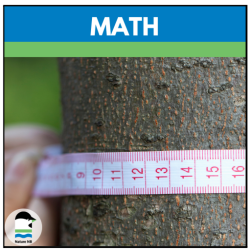
The Math in Nature Program Kit is designed to help students in K-6 explore mathematical concepts in a natural environment. The activities combine math learning with outdoor observation and hands-on experience, encouraging students to recognize patterns, measure, compare, and solve problems outdoors in their schoolyard or nearby park. Activities include nature scavenger hunts, sorting objects, creating patterns, measuring with standard and non-standard units, and exploring symmetry in nature.
These activities fit well with outdoor and place-based learning, where students use their schoolyard or local environment as a setting for mathematical inquiry. Each activity in this kit works as a stand alone and is tailored to a different grade level math learning outcomes. Each activity can be slightly tweaked to make relevant for other grades.
General Assessment
Recommendation of how and where to use it
This resource offers an excellent way to help students recognize patterns in nature, estimate the height of a tree, and record data during a nature walk. The activities make math hands-on, meaningful, and connected to the world around them. Each activity can be used independently and is tailored to the math learning outcomes of a specific grade level, with curriculum links to both math and science. Activities can also be adapted to suit other grades. After each activity, students can document their learning and reflect on their mathematical thinking in a math journal.
Relevant Curriculum Units
The following tool will allow you to explore the relevant curriculum matches for this resource. To start, select a province listed below.
- Step 1Select a province
- Alberta
- Step 2Select a grade level
- Kindergarten
- Step 3Select a subject
- Math
- Step 4Relevant matches
- Number: Quantity is measured with numbers that enable counting, labelling, comparing, and operating
- Patterns: Awareness of patterns supports problem solving in various situations.
- Grade 1
- Step 3Select a subject
- Math
- Step 4Relevant matches
- Number: Quantity is measured with numbers that enable counting, labelling, comparing, and operatin
- Patterns: Awareness of patterns supports problem solving in various situations
- Grade 2
- Step 3Select a subject
- Math
- Step 4Relevant matches
- Measurement: Attributes such as length, area, volume, and angle are quantified by measurement
- Grade 3
- Step 3Select a subject
- Math
- Step 4Relevant matches
- Measurement: Attributes such as length, area, volume, and angle are quantified by measurement.
- Grade 4
- Step 3Select a subject
- Math
- Step 4Relevant matches
- Geometry: Shapes are defined and related by geometric attributes
- Grade 5
- Step 3Select a subject
- Math
- Step 4Relevant matches
- Measurement: Attributes such as length, area, volume, and angle are quantified by measurement.
- Statistics: The science of collecting, analyzing, visualizing, and interpreting data can inform understanding and decision making.
- Grade 6
- Step 3Select a subject
- Math
- Step 4Relevant matches
- Measurement: Attributes such as length, area, volume, and angle are quantified by measurement
- Statistics: The science of collecting, analyzing, visualizing, and interpreting data can inform understanding and decision making.
- British Columbia
- Step 2Select a grade level
- Kindergarten
- Step 3Select a subject
- Math
- Step 4Relevant matches
- Numbers represent quantities that can be decomposed into smaller parts.
- Repeating elements in patterns can be identified
- Grade 1
- Step 3Select a subject
- Math
- Step 4Relevant matches
- Numbers to 20 represent quantities that can be decomposed into 10s and 1s.
- Repeating elements in patterns can be identified
- Grade 2
- Step 3Select a subject
- Math
- Step 4Relevant matches
- Objects and shapes have attributes that can be described, measured, and compare
- Grade 3
- Step 3Select a subject
- Math
- Step 4Relevant matches
- Standard unitsare used to describe, measure, and compare attributes of objects’ shapes
- Grade 4
- Step 3Select a subject
- Math
- Step 4Relevant matches
- Polygons are closed shapes with similar attributes that can be described, measured, and compared
- Grade 5
- Step 3Select a subject
- Math
- Step 4Relevant matches
- Data represented in graphs can be used to show many-to-one correspondence
- Grade 6
- Step 3Select a subject
- Math
- Step 4Relevant matches
- Data from the results of an experiment can be used to predict the theoretical probability of an event and to compare and interpret
- Properties of objects and shapes can be described, measured, and compared using volume, area, perimeter, and angles
- Manitoba
- Step 2Select a grade level
- Kindergarten
- Step 3Select a subject
- Math
- Step 4Relevant matches
- Number
- Patterns & Relations
- Grade 1
- Step 3Select a subject
- Math
- Step 4Relevant matches
- Number
- Patterns & Relations
- Grade 2
- Step 3Select a subject
- Math
- Step 4Relevant matches
- Shape & Space
- Grade 3
- Step 3Select a subject
- Math
- Step 4Relevant matches
- Shape & Space
- Grade 4
- Step 3Select a subject
- Math
- Step 4Relevant matches
- Shape & Space
- Grade 5
- Step 3Select a subject
- Math
- Step 4Relevant matches
- Shape & Space
- Statistics & Probability
- Grade 6
- Step 3Select a subject
- Math
- Step 4Relevant matches
- Shape and Space
- Statistics and Probability
- New Brunswick
- Step 2Select a grade level
- Kindergarten
- Step 3Select a subject
- Math
- Step 4Relevant matches
- Number
- Grade 1
- Step 3Select a subject
- Math
- Step 4Relevant matches
- Number
- Grade 2
- Step 3Select a subject
- Math
- Step 4Relevant matches
- Shape and Space
- Grade 3
- Step 3Select a subject
- Math
- Step 4Relevant matches
- Shape and Space
- Grade 4
- Step 3Select a subject
- Math
- Step 4Relevant matches
- Shape and Space
- Grade 5
- Step 3Select a subject
- Math
- Step 4Relevant matches
- Shape and Space
- Statistics and Probability
- Grade 6
- Step 3Select a subject
- Math
- Step 4Relevant matches
- Shape and Space
- Statistics and Probability
- Newfoundland & Labrador
- Step 2Select a grade level
- Kindergarten
- Step 3Select a subject
- Math
- Step 4Relevant matches
- Number
- Patterns and Relations
- Grade 1
- Step 3Select a subject
- Math
- Step 4Relevant matches
- Number
- Patterns & Relations
- Grade 2
- Step 3Select a subject
- Math
- Step 4Relevant matches
- Shape & Space
- Grade 3
- Step 3Select a subject
- Math
- Step 4Relevant matches
- Shape & Space
- Grade 4
- Step 3Select a subject
- Math
- Step 4Relevant matches
- Shape & Space
- Grade 5
- Step 3Select a subject
- Math
- Step 4Relevant matches
- Shape & Space
- Statistics & Probability
- Grade 6
- Step 3Select a subject
- Math
- Step 4Relevant matches
- Shape & Space
- Statistics & Probability
- Northwest Territories
- Step 2Select a grade level
- Kindergarten
- Step 3Select a subject
- Math
- Step 4Relevant matches
- Numbers represent quantities that can be decomposed into smaller parts.
- Repeating elements in patterns can be identified
- Grade 1
- Step 3Select a subject
- Math
- Step 4Relevant matches
- Numbers to 20 represent quantities that can be decomposed into 10s and 1s.
- Repeating elements in patterns can be identified
- Grade 2
- Step 3Select a subject
- Math
- Step 4Relevant matches
- Objects and shapes have attributes that can be described, measured, and compare
- Grade 3
- Step 3Select a subject
- Math
- Step 4Relevant matches
- Standard unitsare used to describe, measure, and compare attributes of objects’ shapes
- Grade 4
- Step 3Select a subject
- Math
- Step 4Relevant matches
- Polygons are closed shapes with similar attributes that can be described, measured, and compared
- Grade 5
- Step 3Select a subject
- Math
- Step 4Relevant matches
- Data represented in graphs can be used to show many-to-one correspondence
- Grade 6
- Step 3Select a subject
- Math
- Step 4Relevant matches
- Data from the results of an experiment can be used to predict the theoretical probability of an event and to compare and interpret
- Properties of objects and shapes can be described, measured, and compared using volume, area, perimeter, and angles
- Nova Scotia
- Step 2Select a grade level
- Kindergarten
- Step 3Select a subject
- Math
- Step 4Relevant matches
- Number
- Patterns and Relations
- Grade 1
- Step 3Select a subject
- Math
- Step 4Relevant matches
- Number
- Patterns & Relations
- Grade 2
- Step 3Select a subject
- Math
- Step 4Relevant matches
- Mathematics 2: Measurement
- Grade 3
- Step 3Select a subject
- Math
- Step 4Relevant matches
- Mathematics 3: Measurement
- Grade 4
- Step 3Select a subject
- Math
- Step 4Relevant matches
- Math 4: Geometry
- Grade 5
- Step 3Select a subject
- Math
- Step 4Relevant matches
- Mathematics 5: Measurement
- Mathematics 5: Statistics & Probability
- Grade 6
- Step 3Select a subject
- Math
- Step 4Relevant matches
- Measurerment
- Statistics and Probability
- Nunavut
- Step 2Select a grade level
- Kindergarten
- Step 3Select a subject
- Math
- Step 4Relevant matches
- Number
- Patterns & Relations
- Grade 1
- Step 3Select a subject
- Math
- Step 4Relevant matches
- Number
- Patterns & Relations
- Grade 2
- Step 3Select a subject
- Math
- Step 4Relevant matches
- Shape & Space
- Grade 3
- Step 3Select a subject
- Math
- Step 4Relevant matches
- Shape & Space
- Grade 4
- Step 3Select a subject
- Math
- Step 4Relevant matches
- Shape & Space
- Grade 5
- Step 3Select a subject
- Math
- Step 4Relevant matches
- Shape & Space
- Statistics & Probability
- Grade 6
- Step 3Select a subject
- Math
- Step 4Relevant matches
- Shape and Space
- Statistics and Probability
- Ontario
- Step 2Select a grade level
- Grade 1
- Step 3Select a subject
- Math
- Step 4Relevant matches
- Number
- Grade 2
- Step 3Select a subject
- Math
- Step 4Relevant matches
- Spatial Sense
- Grade 3
- Step 3Select a subject
- Math
- Step 4Relevant matches
- Spatial Sense
- Grade 4
- Step 3Select a subject
- Math
- Step 4Relevant matches
- Spatial Sense
- Grade 5
- Step 3Select a subject
- Math
- Step 4Relevant matches
- Data
- Spatial Sense
- Grade 6
- Step 3Select a subject
- Math
- Step 4Relevant matches
- Data
- Spatial Sense
- Prince Edward Island
- Step 2Select a grade level
- Kindergarten
- Step 3Select a subject
- Math
- Step 4Relevant matches
- Early Numeracy
- Grade 1
- Step 3Select a subject
- Math
- Step 4Relevant matches
- Number
- Patterns and Relationships
- Grade 2
- Step 3Select a subject
- Math
- Step 4Relevant matches
- Shape and Space
- Grade 3
- Step 3Select a subject
- Math
- Step 4Relevant matches
- Shape and Space
- Grade 4
- Step 3Select a subject
- Math
- Step 4Relevant matches
- Shape and Space
- Grade 5
- Step 3Select a subject
- Math
- Step 4Relevant matches
- Space and Shape
- Statistics and Probability
- Grade 6
- Step 3Select a subject
- Math
- Step 4Relevant matches
- Shape and Space
- Statistics and Probability
- Quebec
- Step 2Select a grade level
- Grade 1
- Step 3Select a subject
- Math
- Step 4Relevant matches
- Arithmetic
- Grade 2
- Step 3Select a subject
- Math
- Step 4Relevant matches
- Measurement
- Grade 3
- Step 3Select a subject
- Math
- Step 4Relevant matches
- Measurement: Estimating and Measuring
- Grade 4
- Step 3Select a subject
- Math
- Step 4Relevant matches
- Geometry: Geometric Figures and Spatial Sense
- Grade 5
- Step 3Select a subject
- Math
- Step 4Relevant matches
- Measurement: Estimating and Measuring
- Statistics and Probability
- Grade 6
- Step 3Select a subject
- Math
- Step 4Relevant matches
- Measurement: Estimating and Measuring
- Statistics and Probability
- Saskatchewan
- Step 2Select a grade level
- Kindergarten
- Step 3Select a subject
- Math
- Step 4Relevant matches
- Number
- Patterns and Relations
- Grade 1
- Step 3Select a subject
- Math
- Step 4Relevant matches
- Number
- Patterns and Relations
- Grade 2
- Step 3Select a subject
- Math
- Step 4Relevant matches
- Shape and Space
- Grade 3
- Step 3Select a subject
- Math
- Step 4Relevant matches
- Space and Shape
- Grade 4
- Step 3Select a subject
- Math
- Step 4Relevant matches
- Shape & Space
- Grade 5
- Step 3Select a subject
- Math
- Step 4Relevant matches
- Mathematics 5: Shape and Space
- Mathematics 5: Statistics and Probability
- Grade 6
- Step 3Select a subject
- Math
- Step 4Relevant matches
- Mathematics 6: Shape and Space
- Mathematics 6: Statistics and Probability
- Yukon Territory
- Step 2Select a grade level
- Kindergarten
- Step 3Select a subject
- Math
- Step 4Relevant matches
- Numbers represent quantities that can be decomposed into smaller parts.
- Repeating elements in patterns can be identified
- Grade 1
- Step 3Select a subject
- Math
- Step 4Relevant matches
- Numbers to 20 represent quantities that can be decomposed into 10s and 1s.
- Repeating elements in patterns can be identified
- Grade 2
- Step 3Select a subject
- Math
- Step 4Relevant matches
- Objects and shapes have attributes that can be described, measured, and compare
- Grade 3
- Step 3Select a subject
- Math
- Step 4Relevant matches
- Standard unitsare used to describe, measure, and compare attributes of objects’ shapes
- Grade 4
- Step 3Select a subject
- Math
- Step 4Relevant matches
- Polygons are closed shapes with similar attributes that can be described, measured, and compared
- Grade 5
- Step 3Select a subject
- Math
- Step 4Relevant matches
- Data represented in graphs can be used to show many-to-one correspondence
- Grade 6
- Step 3Select a subject
- Math
- Step 4Relevant matches
- Data from the results of an experiment can be used to predict the theoretical probability of an event and to compare and interpret
- Properties of objects and shapes can be described, measured, and compared using volume, area, perimeter, and angles
Themes Addressed
Ecosystems (1)
- Appreciating the Natural World