- Home
- Tutorial
- Resource Guides
- Focus Areas
- LSF Programs
-
Professional
Development - Review Process
-
A project of LSF

Search for Resources
Description
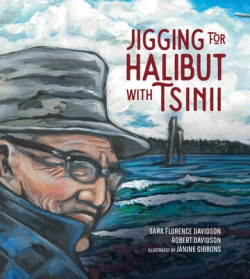
This story follows the journey of a young Haida boy as he spends a day fishing with his Tsinii, grandfather. What begins as a simple trip out on the water becomes a valuable lesson in tradition, patience and respect for the natural world. As they watch the weather, jig for halibut, and row with the tides, there’s more to learn from Tsinii than how to catch a fish. The young boy learns not only how to fish, but how to observe and appreciate the environment around him. The book reveals how knowledge is passed down through shared experiences rather than direct instruction. The story presents the importance of intergenerational learning and Haida culture, offering students a glimpse into traditional practices while celebrating the bon between family, land and ocean.
The book provides information to help contextualize the story for students. The short paragraph explains that the book is based on real events is followed by a short biography of Robert Davidson Sr. (Tsinii), and the next page features a map of Haida Gwaii.
General Assessment
Recommendation of how and where to use it
Based on Haida artist Robert Davidson's own experiences with Tsinii (his grandfather), this tender story highlights intergenerational knowledge and authentic learning experiences. The intention is to connect students and educators with positive and authentic representations of Indigenous experiences. It offers a window into Indigenous culture, traditional practices, and a way of life grounded in respect, patience and intergenerational relationships. Curriculum links in Science and Social Studies
To enhance the learning:
- have students visit a nearby pond, or even an open outdoor area on the school grounds
- invite a knowledge keeper or Elder to share traditional fishing practices
- replicate the calm, slow pace of the story by spending time outdoors in a quiet sit spot silently observing sounds, animals, weather and movement
- discuss how people can show respect for the land
Relevant Curriculum Units
The following tool will allow you to explore the relevant curriculum matches for this resource. To start, select a province listed below.
- Step 1Select a province
- Alberta
- Step 2Select a grade level
- Grade 2
- Step 3Select a subject
- Science
- Step 4Relevant matches
- Living Systems: Understandings of the living world, Earth, and space are deepened by investigating natural systems and their interactions
- Grade 3
- Step 3Select a subject
- Science
- Step 4Relevant matches
- Living Systems: Understandings of the living world, Earth, and space are deepened through investigating natural systems and their interactions
- British Columbia
- Step 2Select a grade level
- Grade 1
- Step 3Select a subject
- Science
- Step 4Relevant matches
- Science 1: Living things have features and behaviours that help them survive in their environment
- Social Studies
- Step 4Relevant matches
- Local Communities: Healthy communities recognize and respect the diversity of individuals and care for the local environment
- Local Communities:: We shape the local environment, and the local environment shapes who we are and how we live.
- Grade 2
- Step 3Select a subject
- Science
- Step 4Relevant matches
- Science 2: Living things have life cycles adapted to their environment
- Social Studies
- Step 4Relevant matches
- Regional and Global Communities: Canada is made up of many diverse regions and communities
- Grade 3
- Step 3Select a subject
- Science
- Step 4Relevant matches
- Science 3: Living things are diverse, can be grouped, and interact in their ecosystems
- Social Studies
- Step 4Relevant matches
- Global Indigenous Peoples: Learning about indigenous peoples nurtures multicultural awareness and respect for diversity.
- Global Indigenous Peoples: Indigenous knowledge is passed down through oral history, traditions, and collective memory.
- Global Indigenous Peoples:Indigenous societies throughout the world value the well-being of the self, the land, spirits, and ancestors
- Grade 4
- Step 3Select a subject
- Science
- Step 4Relevant matches
- Science 4: All living things sense and respond to their environment
- Manitoba
- Step 2Select a grade level
- Grade 1
- Step 3Select a subject
- Science
- Step 4Relevant matches
- Indigenous Peoples Within the Natural World
- Life Systems
- Grade 2
- Step 3Select a subject
- Science
- Step 4Relevant matches
- Indigenous Peoples Within the Natural World
- Social Studies
- Step 4Relevant matches
- Communities in Canada: Communities in Canada
- Grade 3
- Step 3Select a subject
- Science
- Step 4Relevant matches
- Indigenous Peoples Within the Natural World
- Life Science
- Social Studies
- Step 4Relevant matches
- Communities of the World: Connecting with Canadians
- New Brunswick
- Newfoundland & Labrador
- Step 2Select a grade level
- Grade 1
- Step 3Select a subject
- Science
- Step 4Relevant matches
- Needs and Characteristics of Living Things
- Social Studies
- Step 4Relevant matches
- Place and People
- Grade 2
- Step 3Select a subject
- Science
- Step 4Relevant matches
- Air and Water in the Environment
- Grade 4
- Step 3Select a subject
- Science
- Step 4Relevant matches
- Habitats and Communities
- Northwest Territories
- Step 2Select a grade level
- Grade 1
- Step 3Select a subject
- Science
- Step 4Relevant matches
- Science 1: Living things have features and behaviours that help them survive in their environment
- Social Studies
- Step 4Relevant matches
- Local Communities: Healthy communities recognize and respect the diversity of individuals and care for the local environment
- Local Communities:: We shape the land and the land shapes who we are and how we live.
- Grade 2
- Step 3Select a subject
- Science
- Step 4Relevant matches
- Science 2: Water is essential to all living things and it cycles through the environment
- Grade 3
- Step 3Select a subject
- Science
- Step 4Relevant matches
- Science 3:living things are diverse, can be grouped, and interact in their ecosystems
- Social Studies
- Step 4Relevant matches
- Global Indigenous Peoples: Learning about indigenous peoples nurtures awareness and respect for diversity.
- Global Indigenous Peoples: Indigenous knowledge is passed down through oral history, traditions, and collective memory.
- Global Indigenous Peoples: Indigenous societies throughout the world value the well-being of the self, the land, spirits, and ancestors
- Grade 4
- Step 3Select a subject
- Science
- Step 4Relevant matches
- Science 4: All living things sense and respond to their environment
- Nova Scotia
- Step 2Select a grade level
- Grade 1
- Step 3Select a subject
- Science
- Step 4Relevant matches
- Science 1: Needs of Living Things
- Grade 2
- Step 3Select a subject
- Science
- Step 4Relevant matches
- Science 2: Air and Water in the Environment
- Grade 4
- Step 3Select a subject
- Science
- Step 4Relevant matches
- Science 4: Habitats
- Nunavut
- Step 2Select a grade level
- Grade 1
- Step 3Select a subject
- Science
- Step 4Relevant matches
- Life Systems: Characteristics and Needs of Living Things
- Grade 2
- Step 3Select a subject
- Science
- Step 4Relevant matches
- Earth and Space Systems: Air and Water in the Environment
- Social Studies
- Step 4Relevant matches
- Communities in Canada: Culture & Community
- Grade 4
- Step 3Select a subject
- Science
- Step 4Relevant matches
- Life Systems: Habitats & Communities
- Social Studies
- Step 4Relevant matches
- Provinces and Territories: Our Places, Stories, and Traditions: Identity
- Ontario
- Step 2Select a grade level
- Grade 1
- Step 3Select a subject
- Science & Technology
- Step 4Relevant matches
- Life Systems: Needs and Characteristics of Living Things
- Grade 2
- Step 3Select a subject
- Social Studies
- Step 4Relevant matches
- Heritage and Identity: Changing Family and Community Traditions
- Grade 4
- Step 3Select a subject
- Science & Technology
- Step 4Relevant matches
- Life Systems: Habitats and Communities
- Prince Edward Island
- Quebec
- Step 2Select a grade level
- Grade 1
- Step 3Select a subject
- Science & Technology
- Step 4Relevant matches
- Living things
- Grade 2
- Step 3Select a subject
- Science & Technology
- Step 4Relevant matches
- Living things
- Grade 3
- Step 3Select a subject
- Science & Technology
- Step 4Relevant matches
- Living Things
- Saskatchewan
- Step 2Select a grade level
- Grade 1
- Step 3Select a subject
- Science
- Step 4Relevant matches
- Needs & Characteristics of Living Things
- Grade 2
- Step 3Select a subject
- Science
- Step 4Relevant matches
- Air and Water in the Environment
- Grade 4
- Step 3Select a subject
- Science
- Step 4Relevant matches
- Habitats and Communities
- Yukon Territory
- Step 2Select a grade level
- Grade 1
- Step 3Select a subject
- Science
- Step 4Relevant matches
- Science 1: Living things have features and behaviours that help them survive in their environment
- Social Studies
- Step 4Relevant matches
- Local Communities: Healthy communities recognize and respect the diversity of individuals and care for the local environment
- Local Communities:: We shape the local environment, and the local environment shapes who we are and how we live.
- Grade 2
- Step 3Select a subject
- Science
- Step 4Relevant matches
- Science 2: Water is essential to all living things and it cycles through the environment
- Social Studies
- Step 4Relevant matches
- Regional and Global Communities: Canada is made up of many diverse regions and communities
- Grade 3
- Step 3Select a subject
- Science
- Step 4Relevant matches
- Science 3: Living things are diverse, can be grouped, and interact in their ecosystems
- Social Studies
- Step 4Relevant matches
- Global Indigenous Peoples: Learning about indigenous peoples nurtures multicultural awareness and respect for diversity.
- Global Indigenous Peoples: Indigenous knowledge is passed down through oral history, traditions, and collective memory.
- Global Indigenous Peoples:Indigenous societies throughout the world value the well-being of the self, the land, spirits, and ancestors
- Grade 4
- Step 3Select a subject
- Science
- Step 4Relevant matches
- Science 4: All living things sense and respond to their environment
Themes Addressed
Ecosystems (1)
- Appreciating the Natural World
Indigenous Knowledge (2)
- Etuaptmumk/Two-Eyed Seeing
- TEK -- Traditional Ecological Knowledge
Land Use & Natural Resources (1)
- Fisheries