- Home
- Tutorial
- Resource Guides
- Focus Areas
- LSF Programs
-
Professional
Development - Review Process
-
A project of LSF

Search for Resources
Description
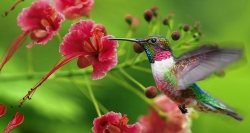
This captivating video explores how hummingbirds are incredible resilient and well adapted to survive in the wild, despite their small size. It provides a detailed look at the hummingbird biology, migration and conservation highlighting the remarkable physical features, feeding habits, and long-distance migrations that help these tiny birds thrive in their natural world. The video explains how hummingbirds fuel their high-energy lifestyle and fast metabolism by feeding on small insects and visiting hundreds of flowers each day. It also shows how these tiny birds navigate long journeys and adapt to changing environments, while facing challenges such as long-distance migration, habitat loss, and the need for reliable food sources. To better understand and protect hummingbirds, authorized banders use a banding program, which helps gather important information about their mouvements, survival, and the conditions they need to continue to thrive in a changing environment.
The resource provides supporting questions and after viewing suggestions to engage students with the video. An extension activity is also includes to take the learning one step further.
General Assessment
Recommendation of how and where to use it
Suitable for grades 7-12, this video aligns with science, environmental studies and biology curricula and can be used as an inquiry based learning tool to explore animal adaptations, migration and conservation. After viewing, class discussions can focus on how banding helps researchers track migration, monitor populations, and inform conservation efforts. Extension activities may include analyzing sample data, researching additional animal tracking methods, or evaluating conservation strategies for migratory species, allowing students to apply scientific thinking and connect the video to real-world environmental issues. The International Hummingbird Society provides information to extend the learning.
Relevant Curriculum Units
The following tool will allow you to explore the relevant curriculum matches for this resource. To start, select a province listed below.
- Step 1Select a province
- Alberta
- Step 2Select a grade level
- Grade 7
- Step 3Select a subject
- Science
- Step 4Relevant matches
- Interactions and Ecosystems
- Grade 9
- Step 3Select a subject
- Science
- Step 4Relevant matches
- Biological Diversity
- Grade 11
- Grade 12
- Step 3Select a subject
- Biology
- Step 4Relevant matches
- Biology 30: Population and Community Dynamics
- British Columbia
- Step 2Select a grade level
- Grade 7
- Step 3Select a subject
- Science
- Step 4Relevant matches
- Science 7: Evolution by natural selection provides an explanation for the diversity and survival of living things.
- Grade 11
- Step 3Select a subject
- Environmental Science
- Step 4Relevant matches
- Environmental Science 11: Complex roles and relationships contribute to diversity of ecosystems
- Environmental Science 11: Human practices affect the sustainability of ecosystems
- Environmental Science 11:Humans can play a role in stewardship and restoration of ecosystems
- Science
- Step 4Relevant matches
- Science for Citizens 11:Scientific processes and knowledge inform our decisions and impact our daily lives
- Science for Citizenship 11: Scientific understanding enables humans to respond and adapt to changes locally and globally
- Grade 12
- Step 3Select a subject
- Science
- Step 4Relevant matches
- Specialized Science 12: Biodiversity is dependent on the complex interactions and processes between biotic and abiotic factors
- Specialized Science 12: Climate change impacts biodiversity and ecosystem health
- Manitoba
- New Brunswick
- Step 2Select a grade level
- Grade 9
- Step 3Select a subject
- Science
- Step 4Relevant matches
- Science 9 Ecosystem Dynamics: Learning and Living Sustainably
- Grade 11
- Step 3Select a subject
- Biology
- Step 4Relevant matches
- Biology 111/2: Study of Life
- Grade 12
- Step 3Select a subject
- Environmental Science
- Step 4Relevant matches
- Introduction to Environmental Science 120: An Overview of Environmental Science
- Introduction to Environmental Science 120: Investigating Environmental Issues
- Newfoundland & Labrador
- Northwest Territories
- Step 2Select a grade level
- Grade 7
- Step 3Select a subject
- Science
- Step 4Relevant matches
- Science 7: Evolution by natural selection provides an explanation for the diversity and survival of living things.
- Grade 11
- Step 3Select a subject
- Biology
- Step 4Relevant matches
- Biology 20: Ecosystems and Population Change
- Environmental Science
- Step 4Relevant matches
- Environmental Science 11: Complex roles and relationships contribute to diversity of ecosystems
- Environmental Science 11: Human practices affect the sustainability of ecosystems
- Environmental Science 11:Humans can play a role in stewardship and restoration of ecosystems
- Science
- Step 4Relevant matches
- Science for Citizens 11:Scientific processes and knowledge inform our decisions and impact our daily lives
- Science for Citizenship 11: Scientific understanding enables humans to respond and adapt to changes locally and globally
- Grade 12
- Step 3Select a subject
- Science
- Step 4Relevant matches
- Specialized Science 12: Biodiversity is dependent on the complex interactions and processes between biotic and abiotic factors
- Specialized Science 12: Climate change impacts biodiversity and ecosystem health
- Nova Scotia
- Step 2Select a grade level
- Grade 7
- Step 3Select a subject
- Science
- Step 4Relevant matches
- Science 7: Environmental Action
- Grade 10
- Step 3Select a subject
- Science
- Step 4Relevant matches
- Science 10: Sustainability of Ecosystems
- Grade 11
- Step 3Select a subject
- Biology
- Step 4Relevant matches
- Biology 11: Biodiversity
- Nunavut
- Ontario
- Step 2Select a grade level
- Grade 7
- Step 3Select a subject
- Science & Technology
- Step 4Relevant matches
- Life Systems: Interactions in the Environment
- Grade 9
- Step 3Select a subject
- Science
- Step 4Relevant matches
- :Biology: Sustainable Ecosystems
- Grade 10
- Step 3Select a subject
- Science
- Step 4Relevant matches
- Science (Academic):Earth and Space Science: Climate Change
- Science (Applied)::Earth and Space Science: Earth's Dynamic Climate
- Grade 11
- Step 3Select a subject
- Biology
- Step 4Relevant matches
- Biology 11(Univer.Prep.) Diversity of Living Things
- Environmental Science
- Step 4Relevant matches
- Environmental Science (Workplace Prep.) Human Impact on the Environment
- Prince Edward Island
- Quebec
- Step 2Select a grade level
- Grade 7
- Step 3Select a subject
- Science & Technology
- Step 4Relevant matches
- The Living World
- Grade 8
- Step 3Select a subject
- Science & Technology
- Step 4Relevant matches
- The Living World
- Grade 10
- Step 3Select a subject
- Science & Technology
- Step 4Relevant matches
- Applied Science & Technology:The Living World
- Saskatchewan
- Yukon Territory
- Step 2Select a grade level
- Grade 7
- Step 3Select a subject
- Science
- Step 4Relevant matches
- Science 7: Evolution by natural selection provides an explanation for the diversity and survival of living things.
- Grade 11
- Step 3Select a subject
- Environmental Science
- Step 4Relevant matches
- Environmental Science 11: Complex roles and relationships contribute to diversity of ecosystems
- Environmental Science 11: Human practices affect the sustainability of ecosystems
- Environmental Science 11:Humans can play a role in stewardship and restoration of ecosystems
- Science
- Step 4Relevant matches
- Science for Citizens 11:Scientific processes and knowledge inform our decisions and impact our daily lives
- Science for Citizenship 11: Scientific understanding enables humans to respond and adapt to changes locally and globally
- Grade 12
- Step 3Select a subject
- Science
- Step 4Relevant matches
- Specialized Science 12: Biodiversity is dependent on the complex interactions and processes between biotic and abiotic factors
- Specialized Science 12: Climate change impacts biodiversity and ecosystem health
Themes Addressed
Ecosystems (2)
- Appreciating the Natural World
- Biodiversity