- Home
- Tutorial
- Resource Guides
- Focus Areas
- LSF Programs
-
Professional
Development - Review Process
-
A project of LSF

Search for Resources
Description
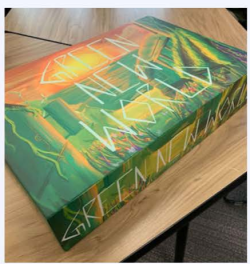
Green New World is a cooperative climate-change simulation game in which students work together to respond to the interconnected environmental and human impacts of climate change. Students are divided into seven teams, each representing a different geographic region of the world. A world map is placed in the centre of the room, with emissions tiles representing greenhouse-gas emissions. Teams work together to remove the emissions tiles from the map. The class succeeds when all the emissions tiles have been removed.
During the game play, students must also respond to the consequences of climate change as they work toward this goal. As emissions remain, global temperature increases, and rising temperatures contribute to increasing numbers of climate refugees displaced by rising sea levels and natural disasters. The games ends if either the temperature or the number of climate refugees reaches a critical threshold.
Climate justice is a central component of the simulation. The seven regions have different levels of wealth, which affects their ability to act. Each region's abilities are represented by a different-sided die based on its relative wealth. This creates unequal opportunities for regions to respond to the climate crisis and illustrates that countries and communities do not have equal resources or responsibilities. Students must also make difficult decisions about how to use their limited abilities. The continuing need to find homes for climate refugees creates a tension between addressing immediate human needs and pursuing the long-term goal of protecting the planet and reducing emissions.
Contact greennewworldgames@gmail.com or find @GreenNewWorldGames on Instagram for more information regarding purchase.
General Assessment
Recommendation of how and where to use it
This resource would be excellent introduction activity to spark a discussion about the impacts of climate change in Canada and around the world. The game provides an experiential approach to climate education, allowing students to explore climate-change challenges through gameplay, decision-making, communication and problem-solving. Through the simulation, students experience how climate change is a shared global challenge with unequal impacts and responsibilities. Suitable for intermediate and secondary students, with curriculum links to science, social studies and geography.
Relevant Curriculum Units
The following tool will allow you to explore the relevant curriculum matches for this resource. To start, select a province listed below.
- Step 1Select a province
- British Columbia
- Step 2Select a grade level
- Grade 11
- Step 3Select a subject
- Science
- Step 4Relevant matches
- Earth Science 11: The transfer of energy through the atmosphere creates weather and is affected by climate change
- Science for Citizenship 11: Scientific understanding enables humans to respond and adapt to changes locally and globally
- Grade 12
- Step 3Select a subject
- Environmental Science
- Step 4Relevant matches
- Environmental Science 12: Human activities cause changes in the global climate system
- Social Studies
- Step 4Relevant matches
- Social Justice: Social justice issues are interconnected.
- Social Justice: The causes of social injustice are complex and have lasting impacts on society
- Manitoba
- Step 2Select a grade level
- Grade 7
- Step 3Select a subject
- Social Studies
- Step 4Relevant matches
- People & Places in the World: Global Quality of Life
- People & Places in the World: Human Impact in Europe or the Americas
- Grade 10
- Step 3Select a subject
- Science
- Step 4Relevant matches
- Earth Science
- New Brunswick
- Step 2Select a grade level
- Grade 7
- Step 3Select a subject
- Social Studies
- Step 4Relevant matches
- Cultures
- Empowerment: Economics
- Atlantic Canada and the World
- Grade 12
- Step 3Select a subject
- Environmental Science
- Step 4Relevant matches
- Introduction to Environmental Science 120: Investigating Environmental Issues
- Newfoundland & Labrador
- Step 2Select a grade level
- Grade 10
- Step 3Select a subject
- Geography
- Step 4Relevant matches
- Canadian Geography 1202: Global Issues n Canadian Geography
- Social Studies
- Step 4Relevant matches
- Social Studies 1201/1202: Power, Citizenship, and Change
- Grade 12
- Step 3Select a subject
- Environmental Science
- Step 4Relevant matches
- Environmental Science 3205: The Atmosphere and the Environment
- Northwest Territories
- Step 2Select a grade level
- Grade 11
- Step 3Select a subject
- Science
- Step 4Relevant matches
- Earth Science 11: The transfer of energy through the atmosphere creates weather and is affected by climate change
- Science for Citizenship 11: Scientific understanding enables humans to respond and adapt to changes locally and globally
- Grade 12
- Step 3Select a subject
- Environmental Science
- Step 4Relevant matches
- Environmental Science 12: Human activities cause changes in the global climate system
- Nova Scotia
- Step 2Select a grade level
- Grade 8
- Step 3Select a subject
- Science
- Step 4Relevant matches
- Science 8: Climate Change
- Social Studies
- Step 4Relevant matches
- Social Studies 8 - A Changing Canadian Society: Equity and Inequity
- Grade 9
- Step 3Select a subject
- Social Studies
- Step 4Relevant matches
- Citizenship 9: Global Citizenship
- Grade 11
- Step 3Select a subject
- Social Studies
- Step 4Relevant matches
- Contemporary Canadian Studies 11: Contempory Canadian Issues
- Grade 12
- Step 3Select a subject
- Environmental Science
- Step 4Relevant matches
- AP Environmental Science: Global Change
- Nunavut
- Ontario
- Step 2Select a grade level
- Grade 8
- Step 3Select a subject
- Geography
- Step 4Relevant matches
- Global Inequalities: Economic Development and Quality of Life
- Grade 9
- Step 3Select a subject
- Geography
- Step 4Relevant matches
- Exploring Canadian Geography: Liveable Communities
- Grade 10
- Step 3Select a subject
- Science
- Step 4Relevant matches
- Science (Academic):Earth and Space Science: Climate Change
- Science (Applied)::Earth and Space Science: Earth's Dynamic Climate
- Prince Edward Island
- Step 2Select a grade level
- Grade 12
- Step 3Select a subject
- Environmental Science
- Step 4Relevant matches
- Environmental Science 621A: Environmental Challenges and Successes
- Geography
- Step 4Relevant matches
- Geography 621A Global Issues: Introduction- What is a global issue?
- Geography 631A Global Issues: Introduction - What Is a Global Issue
- Saskatchewan
- Yukon Territory
- Step 2Select a grade level
- Grade 11
- Step 3Select a subject
- Science
- Step 4Relevant matches
- Earth Science 11: The transfer of energy through the atmosphere creates weather and is affected by climate change
- Science for Citizenship 11: Scientific understanding enables humans to respond and adapt to changes locally and globally
- Grade 12
- Step 3Select a subject
- Environmental Science
- Step 4Relevant matches
- Environmental Science 12: Human activities cause changes in the global climate system
- Social Studies
- Step 4Relevant matches
- Social Justice: Social justice issues are interconnected.
- Social Justice: The causes of social injustice are complex and have lasting impacts on society
Themes Addressed
Air, Atmosphere & Climate (1)
- Climate Change
Governance (2)
- Government Regulations
- International Relations
Human Rights (2)
- Refugees and Immigration
- Social Justice