- Home
- Tutorial
- Resource Guides
- Focus Areas
- LSF Programs
-
Professional
Development - Review Process
-
A project of LSF

Search for Resources
Description
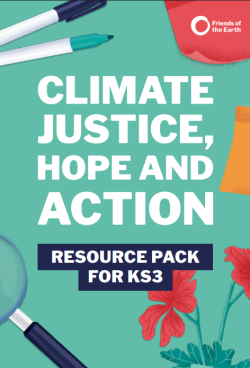
Celebrating People and Planet helps students explore their relationship with the natural world through art and geography. Students investigate how people are connected to and influence their environment, while developing their ability to observe, interpret and respond creatively to environmental issues. This review is for the first section of the compilation entitled Climate Justice, hope and action.
Section One of the compilation Celebrating People and Planet provides two lesson plans:
- Inspired by the World Around Us – students explore how artists draw inspiration from the world around them. They examine and discuss creative works, considering how artists represent their surroundings and communicate ideas through art. Students then choose an artist and an element of nature that inspires them to create their own piece of art.
- People of Earth – Students explore social and global inequalities, examining their causes and effects, particularly in relation to climate change. They consider the tensions and connections between social, economic, and environmental needs. Students read a message by Meles Zenawi and rewrite it in their own words to demonstrate their understanding.
The lesson plans are supported by videos and PowerPoints presentations that reinforce key concepts, provide visual context, and enhance student understanding of the topics explored.
General Assessment
Strengths
- The lesson has a strong, engaging climate justice focus supported by a powerpoint, videos and active discussion activities
- Resource is well organized with specific learning outcomes and objectives
- The persona card activity makes inequality and climate impacts more concrete
Weaknesses
- Many activities in one hour may limit the depth of discussion needed for topics such as colonialism, the slave trade and climate justice
- No assessment tools or rubrics are provided
- The learning is global and classroom based, no case study or community voice by people affected by climate change
Recommendation of how and where to use it
Although the compilation was developed in the UK, the activities can be adapted to Canadian contexts, allowing students to explore similar issues through local examples and perspectives. Designed for UK Key Stage 3 students (ages 11–14), approximately equivalent to Canadian Grades 6–9.
Relevant Curriculum Units
The following tool will allow you to explore the relevant curriculum matches for this resource. To start, select a province listed below.
- Step 1Select a province
- Alberta
- Step 2Select a grade level
- Grade 6
- Step 3Select a subject
- Science
- Step 4Relevant matches
- Living Systems: Understandings of the living world, Earth, and space are deepened through investigating natural systems and their interactions
- Grade 7
- Step 3Select a subject
- Science
- Step 4Relevant matches
- Interactions and Ecosystems
- Grade 9
- Step 3Select a subject
- Science
- Step 4Relevant matches
- Biological Diversity
- British Columbia
- Step 2Select a grade level
- Grade 6
- Step 3Select a subject
- Social Studies
- Step 4Relevant matches
- Global Issues and Governance: Complex global problems require international cooperation to make difficult choices for the future.
- Global Issues and Governance: Economic self-interest can be a significant cause of conflict among peoples and governments.
- Grade 7
- Step 3Select a subject
- Science
- Step 4Relevant matches
- Science 7: Earth and its climate have changed over geological time
- Social Studies
- Step 4Relevant matches
- The Ancient World to the 7th Century: Economic specialization and trade networks can lead to conflict and cooperation between societies.
- Grade 8
- Step 3Select a subject
- Social Studies
- Step 4Relevant matches
- 7th Century to 1750: Exploration, expansion, and colonization had varying consequences for different groups
- Grade 9
- Step 3Select a subject
- Science
- Step 4Relevant matches
- Science 9: The biosphere, geosphere, hydrosphere, and atmosphere are interconnected, as matter cycles and energy flows through them.
- Social Studies
- Step 4Relevant matches
- 1750 to 1919: Emerging ideas and ideologies profoundly influence societies and events
- Manitoba
- Step 2Select a grade level
- Grade 7
- Step 3Select a subject
- Science
- Step 4Relevant matches
- Life Systems
- Social Studies
- Step 4Relevant matches
- People & Places in the World: Global Quality of Life
- Grade 9
- Step 3Select a subject
- Social Studies
- Step 4Relevant matches
- Canada in the Global Context
- Canada in the Contemporary World
- New Brunswick
- Step 2Select a grade level
- Grade 6
- Step 3Select a subject
- Science
- Step 4Relevant matches
- Wayfinding: Making sense of your world: Learning and Living Sustainably
- Grade 7
- Step 3Select a subject
- Social Studies
- Step 4Relevant matches
- Cultures
- Empowerment: History
- Atlantic Canada and the World
- Grade 9
- Step 3Select a subject
- Social Studies
- Step 4Relevant matches
- Canadian Identities: Geography
- Newfoundland & Labrador
- Step 2Select a grade level
- Grade 7
- Step 3Select a subject
- Science
- Step 4Relevant matches
- Interaction of Ecosystems
- Grade 8
- Step 3Select a subject
- Social Studies
- Step 4Relevant matches
- History as a Lens to the Past
- Northwest Territories
- Step 2Select a grade level
- Grade 6
- Step 3Select a subject
- Social Studies
- Step 4Relevant matches
- Global Issues and Governance: Complex global problems require international cooperation to make difficult choices for the future.
- Grade 7
- Step 3Select a subject
- Science
- Step 4Relevant matches
- Science 7: Earth and its climate have changed over geological time
- Social Studies
- Step 4Relevant matches
- The Ancient World to the 7th Century: Economic specialization and trade networks can lead to conflict and cooperation between societies.
- Grade 8
- Step 3Select a subject
- Social Studies
- Step 4Relevant matches
- 7th Century to 1750: Exploration, expansion, and colonization had varying consequences for different groups
- Grade 9
- Step 3Select a subject
- Science
- Step 4Relevant matches
- Science 9: The biosphere, geosphere, hydrosphere, and atmosphere are interconnected, as matter cycles and energy flows through them.
- Social Studies
- Step 4Relevant matches
- 1750 to 1921: Emerging ideas and ideologies profoundly influence societies and events
- Nova Scotia
- Step 2Select a grade level
- Grade 6
- Step 3Select a subject
- Social Studies
- Step 4Relevant matches
- Social Studies 6: Environment and Culture
- Social Studies 6: World Issues
- Grade 7
- Step 3Select a subject
- Science
- Step 4Relevant matches
- Science 7: Environmental Action
- Grade 8
- Step 3Select a subject
- Science
- Step 4Relevant matches
- Science 8: Climate Change
- Social Studies
- Step 4Relevant matches
- Social Studies 8 - A Changing Canadian Society: Equity and Inequity
- Grade 9
- Step 3Select a subject
- Social Studies
- Step 4Relevant matches
- Citizenship 9: Global Citizenship
- Nunavut
- Ontario
- Step 2Select a grade level
- Grade 6
- Step 3Select a subject
- Science & Technology
- Step 4Relevant matches
- Life Systems: Biodiversity
- Social Studies
- Step 4Relevant matches
- Heritage and Identity: Communities in Canada, Past and Present
- Grade 7
- Step 3Select a subject
- Geography
- Step 4Relevant matches
- Natural Resources around the World: Use and Sustainability
- Science & Technology
- Step 4Relevant matches
- Life Systems: Interactions in the Environment
- Grade 8
- Step 3Select a subject
- Geography
- Step 4Relevant matches
- Global Settlement: Patterns and Sustainability
- Grade 9
- Step 3Select a subject
- Science
- Step 4Relevant matches
- :Biology: Sustainable Ecosystems
- Prince Edward Island
- Step 2Select a grade level
- Grade 6
- Step 3Select a subject
- Social Studies
- Step 4Relevant matches
- World Issues
- Grade 7
- Step 3Select a subject
- Science
- Step 4Relevant matches
- Interactions Within Ecosystems
- Social Studies
- Step 4Relevant matches
- Canadian Studies: Inquiry
- Grade 8
- Step 3Select a subject
- Social Studies
- Step 4Relevant matches
- Canada in the 20th Century: Historical Thinking
- Canadian Studies
- Grade 9
- Step 3Select a subject
- Social Studies
- Step 4Relevant matches
- Interdependence: Atlantic Canada in the Global Community: Environment in the Global Community
- Quebec
- Step 2Select a grade level
- Grade 6
- Step 3Select a subject
- Science & Technology
- Step 4Relevant matches
- Living Things
- Grade 7
- Step 3Select a subject
- Science & Technology
- Step 4Relevant matches
- The Living World
- Grade 8
- Step 3Select a subject
- Science & Technology
- Step 4Relevant matches
- The Living World
- Grade 9
- Step 3Select a subject
- Science & Technology
- Step 4Relevant matches
- Applied Science & Technology: The Living World
- Social Studies
- Step 4Relevant matches
- The Contemporary World: Environment
- Saskatchewan
- Yukon Territory
- Step 2Select a grade level
- Grade 6
- Step 3Select a subject
- Social Studies
- Step 4Relevant matches
- Global Issues and Governance: Complex global problems require international cooperation to make difficult choices for the future.
- Global Issues and Governance: Economic self-interest can be a significant cause of conflict among peoples and governments.
- Grade 7
- Step 3Select a subject
- Science
- Step 4Relevant matches
- Science 7: Earth and its climate have changed over geological time
- Social Studies
- Step 4Relevant matches
- The Ancient World to the 7th Century: Economic specialization and trade networks can lead to conflict and cooperation between societies.
- Grade 8
- Step 3Select a subject
- Social Studies
- Step 4Relevant matches
- 7th Century to 1750: Exploration, expansion, and colonization had varying consequences for different groups
- Grade 9
- Step 3Select a subject
- Science
- Step 4Relevant matches
- Science 9: The biosphere, geosphere, hydrosphere, and atmosphere are interconnected, as matter cycles and energy flows through them.
- Social Studies
- Step 4Relevant matches
- 1750 to 1919: Emerging ideas and ideologies profoundly influence societies and events
Themes Addressed
Air, Atmosphere & Climate (1)
- Climate Change
Ecosystems (1)
- Appreciating the Natural World
Human Rights (2)
- Environmental Racism/Justice
- Social Justice
Sustainability Education Principles
| Principle | Rating | Explanation |
|---|---|---|
| Consideration of Alternative Perspectives | Good | Students examine how different artists represent the world around them and communicate ideas through art, exploring diverse perspectives on the natural world. In the second lesson, students explore the diversity of Earth’s population, examine social inequalities, and consider their causes and possible solutions. |
Consideration of Alternative Perspectives:
| ||
| Multiple Dimensions of Problems & Solutions | Very Good | The lesson provides a strong climate-justice lens by showing how social inequality, economic development and environmental change are interconnected. |
| Multiple Dimensions of Problems & Solutions: Effectively addresses the environmental, economic and social dimensions of the issue(s) being explored.
| ||
| Respects Complexity | Good | The lesson recognizes that issues are complex by exploring interconnected causes, unequal impacts and different viewpoints, but students need teacher guidance to clearly understand the connection to climate change. |
| Respects Complexity: The complexity of the problems/issues being discussed is respected. | ||
| Acting on Learning | Very Good | Section 5 Be the change in the compilation Climate Justice, hope and action has students work in groups to choose a climate change or climate justice issue, design a campaign, create a placard, and plan a realistic action intended to have an impact. |
| Acting on Learning: Learning moves from understanding issues to working towards positive change — in personal lifestyle, in school, in the community, or for the planet
| ||
| Values Education | Good | Each lesson ends with reflection questions that encourage students to think about and share what they have learned. |
| Values Education: Students are explicitly provided with opportunities to identify, clarify and express their own beliefs/values. | ||
| Empathy & Respect for Humans | Good | The geography lesson promotes empathy and respect by asking students to consider how inequality affects people across different historical and social circumstances. |
| Empathy & Respect for Humans: Empathy and respect are fostered for diverse groups of humans (including different genders, ethnic groups, sexual preferences, etc.). | ||
| Personal Affinity with Earth | Good | The lessons help students explore their relationship with the natural world through art and geography. They investigate how people are connected to and influence their environment. |
| Personal Affinity with Earth: Encourages a personal affinity with -the natural world.
| ||
| Locally-Focused Learning | Satisfactory | Learning is made relevant through discussion of global inequality, historical change and climate justice, but the lesson does not include local, outdoor learning. |
| Locally-Focused Learning: Includes learning experiences that take advantage of issues/elements within the local community.
| ||
| Past, Present & Future | Good | The lesson addresses the past, present and future, with its positive future vision centred on the possibility of change. |
| Past, Present & Future: Promotes an understanding of the past, a sense of the present, and a positive vision for the future. | ||
Pedagogical Approaches
| Principle | Rating | Explanation |
|---|---|---|
| Open-Ended Instruction | Very Good | The lesson is designed for open-ended responses rather than one correct answer. Students make personal choices throughout: they identify what makes them feel wow, suggest ways art can celebrate Earth, interpret several artists’ techniques, choose a natural subject, and select an artist as inspiration for their own work. The main task explicitly asks for an individual piece based on something from nature they feel inspired by |
| Open-Ended Instruction
: Lessons are structured so that multiple/complex answers are possible; students are not steered toward one 'right' answer. | ||
| Integrated Learning | Good |
|
| Integrated Learning: Learning brings together content and skills from more than one subject area
| ||
| Inquiry Learning | Good | The lesson follows a guided inquiry approach. Students do not independently formulate research questions or gather information; instead, they develop inquiry skills through discussion, interpretation, and reasoning. |
| Inquiry Learning: Learning is directed by questions, problems, or challenges that students work to address.
| ||
| Differentiated Instruction | Good | The two lesson plans provide activities which address the needs of visual, auditory and kinesthetic learners. |
| Differentiated Instruction: Activities address a range of student learning styles, abilities and readiness.
| ||
| Experiential Learning | Good | The learning remains classroom-based and simulated. The persona cards, videos and discussions provide a realistic context, but there is no outdoor experience, contact with affected communities, or local case study beyond the lesson. |
| Experiential Learning: Authentic learning experiences are provided
| ||
| Cooperative Learning | Satisfactory | The lesson plans provide many discussion opportunities. |
| Cooperative Learning: Group and cooperative learning strategies are a priority.
| ||
| Assessment & Evaluation | Satisfactory | Each lesson ends with reflection questions that encourage students to think about and share what they have learned. No checklists, evaluations tools or rubrics are provided. |
| Assessment & Evaluation: Tools are provided that help students and teachers to capture formative and summative information about students' learning and performance. These tools may include reflection questions, checklists, rubrics, etc. | ||
| Peer Teaching | Good | For both lessons, there are no students explicit teaching roles, such as expert groups, peer presentations, peer feedback or students teaching a concept to another group. Most peer learning happens through discussion and joint decision-making, with the teacher still directing the activity. |
| Peer Teaching: Provides opportunities for students to actively present their knowledge and skills to peers and/or act as teachers and mentors.
| ||
| Case Studies | Poor/Not considered | No case studies are provided in these two lesson plans. |
| Case Studies: Relevant case studies are included. Case studies are thorough descriptions of real events from real situations that students use to explore concepts in an authentic context. | ||
| Locus of Control | Poor/Not considered | There are no opportunities to extend the learning in these two lesson plans. |
| Locus of Control: Meaningful opportunities are provided for students to choose elements of program content, the medium in which they wish to work, and/or to go deeper into a chosen issue. | ||