- Home
- Tutorial
- Resource Guides
- Focus Areas
- LSF Programs
-
Professional
Development - Review Process
-
A project of LSF
Search for Resources
Description
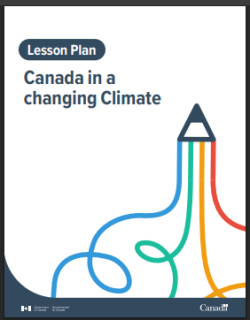
This resource encourages students to think critically about the impacts of climate change and explore meaningful adaptation actions. Students learn how climate change is affecting youth across Canada and examine the social and environmental impacts of individual and community actions. To conclude the lesson, students develop practical strategies to support climate change adaptation within their school and community.
Students will
- investigate how climate change affects different regions across Canada
- discuss and share prior knowledge about ways their families and communities are adapting to climate change impacts
- consider how these experiences will change in the future as the climate continues to warm
- identify which climate change impacts they believe pose the greatest challenges and explain why
- select three climate adaptations actions they would like to explore further
- use digital devices to explore a map of adaptation actions and discover real examples of climate adaptation happening near their community
- share inspiring examples of adaptation actions from the map
- reflect on what gives them hope and motivates them to act on climate change
The activities help students understand that climate change is a shared challenge that requires both awareness and action. By exploring real examples of adaptation and connecting them to their own lives and communities, students develop a deeper understanding of how people can work together to build resilience and create positive change in a changing climate.
General Assessment
Strengths
- The resource connects students to real-world climate change impacts and adaptation efforts happening across Canada
- Use real examples The Map of Adaptation Actions provides concrete examples of how communities are responding to climate change, helping students make connections between concepts and real-world actions
- Open-ended questions allow students to share their experiences, perspectives, and ideas about climate change
- Students are encouraged to consider how climate change affects their own communities and what actions could be taken locally
- The activities can be adapted by teachers for different contexts and learning needs
- The resource is easy to use and up to date
Weaknesses
- Teachers may want to develop additional assessment tools or rubrics to more formally evaluate student learning and climate action projects
- The resource does not provide specific strategies or modifications for students with diverse learning needs, different age groups, or varying levels of readiness.
Relevant Curriculum Units
The following tool will allow you to explore the relevant curriculum matches for this resource. To start, select a province listed below.
- Step 1Select a province
- Alberta
- Step 2Select a grade level
- Grade 9
- Step 3Select a subject
- Environmental Science
- Step 4Relevant matches
- Environment and Outdoor Education: Environmental Investigations
- British Columbia
- Step 2Select a grade level
- Grade 11
- Step 3Select a subject
- Environmental Science
- Step 4Relevant matches
- Environmental Science 11: Human practices affect the sustainability of ecosystems
- Environmental Science 11:Humans can play a role in stewardship and restoration of ecosystems
- Science
- Step 4Relevant matches
- Science for Citizenship 11: Scientific understanding enables humans to respond and adapt to changes locally and globally
- Grade 12
- Step 3Select a subject
- Environmental Science
- Step 4Relevant matches
- Environmental Science 12: Human activities cause changes in the global climate system
- Science
- Step 4Relevant matches
- Specialized Science 12: Climate change impacts biodiversity and ecosystem health
- Manitoba
- New Brunswick
- Step 2Select a grade level
- Grade 12
- Step 3Select a subject
- Environmental Science
- Step 4Relevant matches
- Introduction to Environmental Science 120: Investigating Environmental Issues
- Newfoundland & Labrador
- Step 2Select a grade level
- Grade 10
- Step 3Select a subject
- Geography
- Step 4Relevant matches
- Canadian Geography 1202: Global Issues n Canadian Geography
- Grade 12
- Step 3Select a subject
- Environmental Science
- Step 4Relevant matches
- Environmental Science 3205: Introduction to Environmental Science
- Geography
- Step 4Relevant matches
- World Geography 3200/3202: World Climate Patterns
- Northwest Territories
- Step 2Select a grade level
- Grade 11
- Step 3Select a subject
- Environmental Science
- Step 4Relevant matches
- Environmental Science 11: Human practices affect the sustainability of ecosystems
- Environmental Science 11:Humans can play a role in stewardship and restoration of ecosystems
- Science
- Step 4Relevant matches
- Science for Citizenship 11: Scientific understanding enables humans to respond and adapt to changes locally and globally
- Grade 12
- Step 3Select a subject
- Environmental Science
- Step 4Relevant matches
- Environmental Science 12: Human activities cause changes in the global climate system
- Science
- Step 4Relevant matches
- Specialized Science 12: Climate change impacts biodiversity and ecosystem health
- Nova Scotia
- Step 2Select a grade level
- Grade 10
- Step 3Select a subject
- Geography
- Step 4Relevant matches
- Geography 10:Land Environment
- Grade 11
- Step 3Select a subject
- Geography
- Step 4Relevant matches
- Geography of Canada 11: Geography of Risk
- Grade 12
- Step 3Select a subject
- Environmental Science
- Step 4Relevant matches
- AP Environmental Science: Global Change
- Nunavut
- Ontario
- Step 2Select a grade level
- Grade 9
- Grade 10
- Step 3Select a subject
- Science
- Step 4Relevant matches
- Science (Academic):Earth and Space Science: Climate Change
- Grade 11
- Step 3Select a subject
- Environmental Science
- Step 4Relevant matches
- Environmental Science (Univ/College Prep.) Scientific Solutions to Contemporary Environmental Challenges
- Environmental Science (Workplace Prep.) Human Impact on the Environment
- Geography
- Step 4Relevant matches
- Impacts of Change
- Forces of Nature: Physical Processes and Disasters (Univ./College Prep.)
- Forces of Nature: Physical Processes and Disasters (Univ./College Prep.): The Physical Environment: Sustainability and Stewardship
- Grade 12
- Prince Edward Island
- Saskatchewan
- Step 2Select a grade level
- Grade 10
- Grade 11
- Step 3Select a subject
- Environmental Science
- Step 4Relevant matches
- Environmental Science 20: Integrative Nature of Environmental Science
- Yukon Territory
- Step 2Select a grade level
- Grade 11
- Step 3Select a subject
- Environmental Science
- Step 4Relevant matches
- Environmental Science 11: Human practices affect the sustainability of ecosystems
- Environmental Science 11:Humans can play a role in stewardship and restoration of ecosystems
- Science
- Step 4Relevant matches
- Science for Citizenship 11: Scientific understanding enables humans to respond and adapt to changes locally and globally
- Grade 12
- Step 3Select a subject
- Environmental Science
- Step 4Relevant matches
- Environmental Science 12: Human activities cause changes in the global climate system
- Science
- Step 4Relevant matches
- Specialized Science 12: Climate change impacts biodiversity and ecosystem health
Themes Addressed
Air, Atmosphere & Climate (1)
- Climate Change
Citizenship (1)
- Community-Building and Participation
Ecosystems (3)
- Appreciating the Natural World
- Biodiversity
- Bioregionalism
Sustainability Education Principles
| Principle | Rating | Explanation |
|---|---|---|
| Consideration of Alternative Perspectives | Very Good | Students are provided with information and data from the Canada in a Changing Climate Report. The report provides data on how and why Canada's climate has changed and what changes are projected for the future. Students explore examples of communities adapting to a changing climate across Canada. They learn about the steps Canadians are taking to understand how climate change affects them and the solutions they find to adapt and increase their resilience. |
Consideration of Alternative Perspectives:
| ||
| Multiple Dimensions of Problems & Solutions | Good | Students analyze the social and environmental impacts of climate actions by exploring real examples of adaptation across Canada. They consider how these actions help communities respond to climate change, protect the environment, and build resilience. Through discussion and reflection, students evaluate how individual and collective choices can contribute to positive change. |
| Multiple Dimensions of Problems & Solutions: Effectively addresses the environmental, economic and social dimensions of the issue(s) being explored.
| ||
| Respects Complexity | Good | Students think critically about the impacts of climate change and explore meaningful adaptation actions. Using the interactive map of adaptation actions, they examine real-world examples of how individuals and communities across Canada are responding to climate change and building resilience. |
| Respects Complexity: The complexity of the problems/issues being discussed is respected. | ||
| Acting on Learning | Good | An objective of the resource is to help young people not only learn about climate change but also take meaningful action. Students investigate local climate impacts, explore real-world examples of climate adaptation across Canada, and use their findings to identify adaptation actions that could benefit their school and community. The lesson concludes with students developing practical strategies to help their community adapt to the impacts of a changing climate, encouraging informed decision-making and active citizenship. |
| Acting on Learning: Learning moves from understanding issues to working towards positive change — in personal lifestyle, in school, in the community, or for the planet
| ||
| Values Education | Good | Students share inspiring examples of adaptation action from the map or something concrete from their lives. They discuss what inspires them to take action and contribute to climate change solutions. |
| Values Education: Students are explicitly provided with opportunities to identify, clarify and express their own beliefs/values. | ||
| Empathy & Respect for Humans | Poor/Not considered | Not considered in this resource |
| Empathy & Respect for Humans: Empathy and respect are fostered for diverse groups of humans (including different genders, ethnic groups, sexual preferences, etc.). | ||
| Personal Affinity with Earth | Good | The resource encourages students to recognize the importance of Canada’s natural environments and understand how climate change is affecting places, species, and ecosystems they may value or interact with. There are no outdoor experiences suggested in the resource. |
| Personal Affinity with Earth: Encourages a personal affinity with -the natural world.
| ||
| Locally-Focused Learning | Good | Examples featured on the Map of Adaptation Actions come from various regions across Canada. They represent different stages of the adaptation process and address a range of climate-related impacts. The map can also be used by Canadians to explore real-world examples of actions already being taken to adapt to climate change across the country. |
| Locally-Focused Learning: Includes learning experiences that take advantage of issues/elements within the local community.
| ||
| Past, Present & Future | Good | Through real-world examples from across Canada, students learn how communities are adapting to climate change and building resilience to current and future impacts. |
| Past, Present & Future: Promotes an understanding of the past, a sense of the present, and a positive vision for the future. | ||
Pedagogical Approaches
| Principle | Rating | Explanation |
|---|---|---|
| Open-Ended Instruction | Very Good | The activities encourage students to discuss and respond to a variety of related questions, including both factual questions and more open-ended prompts. These opportunities allow students to share their perspectives, exchange ideas, and develop a deeper understanding of climate change and adaptation. |
| Open-Ended Instruction
: Lessons are structured so that multiple/complex answers are possible; students are not steered toward one 'right' answer. | ||
| Integrated Learning | Good | This resource primarily aligns with Science, Social Studies, Geography, and Environmental Education. It supports learning about climate change, human-environment interactions, community resilience, and sustainable action. |
| Integrated Learning: Learning brings together content and skills from more than one subject area
| ||
| Inquiry Learning | Good | The activities incorporate elements of inquiry-based learning by encouraging students to explore climate change impacts, analyze real-world adaptation examples, discuss ideas, and reflect on solutions. While students engage in investigation and critical thinking, the learning is guided through structured activities and provided resources rather than being fully student-directed inquiry. |
| Inquiry Learning: Learning is directed by questions, problems, or challenges that students work to address.
| ||
| Differentiated Instruction | Satisfactory | There are no explicit differentiation strategies to address the diverse needs of learners, including students who require additional support or students at different stages of reading. The open-ended discussions and flexible activities allow teachers to adapt the learning experience to meet the needs and abilities of their students. |
| Differentiated Instruction: Activities address a range of student learning styles, abilities and readiness.
| ||
| Experiential Learning | Good | Using the Map of Adaptation Actions, students explore examples of how communities are responding to climate impacts and make connections to their own experiences and local context. Students are encouraged to reflect on possible adaptation strategies and consider how they can contribute to building more resilient communities. |
| Experiential Learning: Authentic learning experiences are provided
| ||
| Cooperative Learning | Satisfactory | The activities require students to work together to investigate, discuss and develop solutions. |
| Cooperative Learning: Group and cooperative learning strategies are a priority.
| ||
| Assessment & Evaluation | Satisfactory | The resource does not include specific evaluation strategies or assessment tools. Teachers can assess student understanding through discussions, reflections, and student-generated adaptation ideas. |
| Assessment & Evaluation: Tools are provided that help students and teachers to capture formative and summative information about students' learning and performance. These tools may include reflection questions, checklists, rubrics, etc. | ||
| Peer Teaching | Satisfactory | Students share inspiring examples of adaptation action from the map or something concrete from their lives. |
| Peer Teaching: Provides opportunities for students to actively present their knowledge and skills to peers and/or act as teachers and mentors.
| ||
| Case Studies | Very Good | The lesson plan includes relevant case studies through the Map of Adaptation Actions, which features real examples of climate adaptation initiatives from communities across Canada. These examples allow students to explore how different regions are responding to climate-related impacts and how adaptation strategies can help build community resilience. The case studies provide meaningful connections between climate change concepts and real-world actions. |
| Case Studies: Relevant case studies are included. Case studies are thorough descriptions of real events from real situations that students use to explore concepts in an authentic context. | ||
| Locus of Control | Good | The resource provides extension activities that enhance learning by encouraging students to apply their knowledge beyond the lesson. Students could develop an adaptation strategy for their school or community and consider ways to put their ideas into action. |
| Locus of Control: Meaningful opportunities are provided for students to choose elements of program content, the medium in which they wish to work, and/or to go deeper into a chosen issue. | ||