- Home
- Tutorial
- Resource Guides
- Focus Areas
- LSF Programs
-
Professional
Development - Review Process
-
A project of LSF

Search for Resources
Description
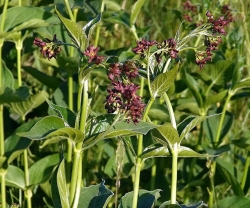
Through a variety of in-class and outdoor activities students learn what invasive species are, the characteristics that allow them to thrive, how they are introduced into new environments, the harm they cause, and how best to mitigate their spread.
Day 1. Through guided discussion and individual research supported by video and print resources, students complete a KWL activity designed to introduce invasive species and some of the key issues they give rise to.
Day 2. Students explore a nearby area known to be inhabited by invasives. Using identification materials provided by the resource and techniques demonstrated by the teacher, students will flag and then map the alien species they are able to identify.
Day 3. In a jigsaw format, pairs of students will form expert groups to select and conduct research into one of the invasive species from the map. Members will then regroup and share what has been learned about the characteristics, impacts, spread and control of the different aliens identified in their field work.
General Assessment
What skills does this resource explicitly teach?
- Field research and identification techniques
- Using cluster maps to guide research.
Strengths
- Necessary background information is provided for teachers
- A detailed lesson plan with valuable suggestions is included
- Included is a variety of video and print resources to support the teaching and learning objectives
- A significant outdoor learning activity is a core component
- All or most of the supports needed to successfully carry out the field activity are included
Recommendation of how and where to use it
The lesson provides an excellent overview of invasive species. This along with its inquiry nature and outdoor experience makes it an excellent resource to support the study of sustainable ecosystems and human impacts on the environment in particular.
Relevant Curriculum Units
The following tool will allow you to explore the relevant curriculum matches for this resource. To start, select a province listed below.
- Step 1Select a province
- Alberta
- British Columbia
- Step 2Select a grade level
- Grade 11
- Step 3Select a subject
- Environmental Science
- Step 4Relevant matches
- Environmental Science 11: Human practices affect the sustainability of ecosystems
- Environmental Science 11:Humans can play a role in stewardship and restoration of ecosystems
- Science
- Step 4Relevant matches
- Science for Citizenship 11: Scientific understanding enables humans to respond and adapt to changes locally and globally
- Manitoba
- New Brunswick
- Step 2Select a grade level
- Grade 7
- Step 3Select a subject
- Science
- Step 4Relevant matches
- Science 7 Earth Surface Processes: Scientific Literacy
- Grade 10
- Step 3Select a subject
- Science
- Step 4Relevant matches
- Science 10 Science for Sustainable Societies: Scientific Literacy
- Grade 12
- Step 3Select a subject
- Environmental Science
- Step 4Relevant matches
- Introduction to Environmental Science 120: Investigating Environmental Issues
- Newfoundland & Labrador
- Step 2Select a grade level
- Grade 7
- Step 3Select a subject
- Science
- Step 4Relevant matches
- Interaction of Ecosystems
- Grade 10
- Step 3Select a subject
- Science
- Step 4Relevant matches
- Science 1206: Sustainability of Ecosystems
- Grade 12
- Step 3Select a subject
- Environmental Science
- Step 4Relevant matches
- Environmental Science 3205: Introduction to Environmental Science
- Geography
- Step 4Relevant matches
- World Geography 3200/3202: Ecosystems
- Northwest Territories
- Step 2Select a grade level
- Grade 11
- Step 3Select a subject
- Environmental Science
- Step 4Relevant matches
- Environmental Science 11: Human practices affect the sustainability of ecosystems
- Environmental Science 11:Humans can play a role in stewardship and restoration of ecosystems
- Science
- Step 4Relevant matches
- Science for Citizenship 11: Scientific understanding enables humans to respond and adapt to changes locally and globally
- Nova Scotia
- Step 2Select a grade level
- Grade 7
- Step 3Select a subject
- Science
- Step 4Relevant matches
- Science 7: Environmental Action
- Grade 10
- Step 3Select a subject
- Science
- Step 4Relevant matches
- Science 10: Sustainability of Ecosystems
- Grade 12
- Step 3Select a subject
- Environmental Science
- Step 4Relevant matches
- AP Environmental Science: The Living World: Biodiversity
- Nunavut
- Ontario
- Step 2Select a grade level
- Grade 7
- Step 3Select a subject
- Science & Technology
- Step 4Relevant matches
- Life Systems: Interactions in the Environment
- Grade 9
- Step 3Select a subject
- Science
- Step 4Relevant matches
- :Biology: Sustainable Ecosystems
- Grade 11
- Step 3Select a subject
- Environmental Science
- Step 4Relevant matches
- Environmental Science (Univ/College Prep.) Scientific Solutions to Contemporary Environmental Challenges
- Environmental Science (Workplace Prep.) Human Impact on the Environment
- Grade 12
- Step 3Select a subject
- Geography
- Step 4Relevant matches
- Living in a Sustainable World (Workplace Prep.) Ecosystems and Human Activity
- Prince Edward Island
- Step 2Select a grade level
- Grade 7
- Step 3Select a subject
- Science
- Step 4Relevant matches
- Interactions Within Ecosystems
- Grade 10
- Step 3Select a subject
- Science
- Step 4Relevant matches
- Science 431A: Life Science, Sustainability of Ecosystems
- Grade 12
- Step 3Select a subject
- Environmental Science
- Step 4Relevant matches
- Environmental Science 621A: Ecological Principles
- Quebec
- Step 2Select a grade level
- Grade 7
- Step 3Select a subject
- Science & Technology
- Step 4Relevant matches
- The Living World
- Grade 8
- Step 3Select a subject
- Science & Technology
- Step 4Relevant matches
- The Living World
- Saskatchewan
- Yukon Territory
- Step 2Select a grade level
- Grade 11
- Step 3Select a subject
- Environmental Science
- Step 4Relevant matches
- Environmental Science 11: Human practices affect the sustainability of ecosystems
- Environmental Science 11:Humans can play a role in stewardship and restoration of ecosystems
- Science
- Step 4Relevant matches
- Science for Citizenship 11: Scientific understanding enables humans to respond and adapt to changes locally and globally
Themes Addressed
Ecosystems (4)
- Biodiversity
- Habitat Loss
- Invasive Species
- Wildlife Protection
Sustainability Education Principles
| Principle | Rating | Explanation |
|---|---|---|
| Consideration of Alternative Perspectives | Good | The inquiry nature of the resource and the tools provided to support the students do not favor any one point of view |
Consideration of Alternative Perspectives:
| ||
| Multiple Dimensions of Problems & Solutions | Good | The student research activity and field investigation into invasive species provides an excellent context for illustrating the environmental, economic and social dimensions of human impacts on the environment. |
| Multiple Dimensions of Problems & Solutions: Effectively addresses the environmental, economic and social dimensions of the issue(s) being explored.
| ||
| Respects Complexity | Good | The video and print materials provided to support the student inquiry address the complexity of the issue and the challenges involved in addressing it. |
| Respects Complexity: The complexity of the problems/issues being discussed is respected. | ||
| Acting on Learning | Poor/Not considered | While students do explore 'best' practices for mitigating the impacts of invasives, acting on them is not supported by the resource. |
| Acting on Learning: Learning moves from understanding issues to working towards positive change — in personal lifestyle, in school, in the community, or for the planet
| ||
| Values Education | Good | The reflection questions accompanying each activity are designed to prompt student analysis and reflection. |
| Values Education: Students are explicitly provided with opportunities to identify, clarify and express their own beliefs/values. | ||
| Empathy & Respect for Humans | Poor/Not considered | |
| Empathy & Respect for Humans: Empathy and respect are fostered for diverse groups of humans (including different genders, ethnic groups, sexual preferences, etc.). | ||
| Personal Affinity with Earth | Good | The impacts invasive species have on ecosystems are made clear as is a first-hand look at the existence of these aliens residing in their own communities. |
| Personal Affinity with Earth: Encourages a personal affinity with -the natural world.
| ||
| Locally-Focused Learning | Very Good | The field exercise does a very good job in allowing the students to experience the issues being studied through authentic practice outdoors and in the local community. |
| Locally-Focused Learning: Includes learning experiences that take advantage of issues/elements within the local community.
| ||
| Past, Present & Future | Satisfactory | In examining how invasives have become established and how they spread, students will gain some sense of impact over time. |
| Past, Present & Future: Promotes an understanding of the past, a sense of the present, and a positive vision for the future. | ||
Pedagogical Approaches
| Principle | Rating | Explanation |
|---|---|---|
| Open-Ended Instruction | Good | The research, jigsaw and field components of the resource allow students to discover 'answers' on their own. |
| Open-Ended Instruction
: Lessons are structured so that multiple/complex answers are possible; students are not steered toward one 'right' answer. | ||
| Integrated Learning | Satisfactory | The resource supports learning outcomes in both science and geography. |
| Integrated Learning: Learning brings together content and skills from more than one subject area
| ||
| Inquiry Learning | Good | The lesson design, student resources and discussion prompts promote student inquiry. |
| Inquiry Learning: Learning is directed by questions, problems, or challenges that students work to address.
| ||
| Differentiated Instruction | Satisfactory | A variety of instructional approaches are included as are some suggestions for adaptation. |
| Differentiated Instruction: Activities address a range of student learning styles, abilities and readiness.
| ||
| Experiential Learning | Very Good | On day 2, students apply some of what they learned in their introduction to invasives through an authentic field study of a local habitat. |
| Experiential Learning: Authentic learning experiences are provided
| ||
| Cooperative Learning | Satisfactory | A 'jigsaw' activity serves as a key component of the resource. |
| Cooperative Learning: Group and cooperative learning strategies are a priority.
| ||
| Assessment & Evaluation | Satisfactory | Some suggestions for assessment are included. |
| Assessment & Evaluation: Tools are provided that help students and teachers to capture formative and summative information about students' learning and performance. These tools may include reflection questions, checklists, rubrics, etc. | ||
| Peer Teaching | Good | The jigsaw activity allows students to take on a significant role in the learning. |
| Peer Teaching: Provides opportunities for students to actively present their knowledge and skills to peers and/or act as teachers and mentors.
| ||
| Case Studies | Good | The video used to introduce invasive species provides students with an excellent case study. |
| Case Studies: Relevant case studies are included. Case studies are thorough descriptions of real events from real situations that students use to explore concepts in an authentic context. | ||
| Locus of Control | Satisfactory | Students choose which species to research and report on. |
| Locus of Control: Meaningful opportunities are provided for students to choose elements of program content, the medium in which they wish to work, and/or to go deeper into a chosen issue. | ||