- Home
- Tutorial
- Resource Guides
- Focus Areas
- LSF Programs
-
Professional
Development - Review Process
-
A project of LSF

Search for Resources
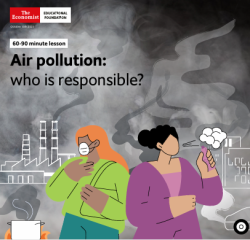
Air Pollution: who is responsible?
Explore the link between winter, air pollution and human health
Secondary, Elementary, Middle
Description
Each winter, air pollution worsens in many countries around the world. Today, 99% of the global population lives in areas where air pollution exceeds the safe limits established by the World Health Organization. In this lesson, students explore what air pollution is, how it affects people and the environment, and debate who is most responsible for addressing it — governments, businesses, or individuals.
Students will:
- explore the causes and impacts of air pollution and brainstorm different sources of pollutants
- participate in a Headlines activity where they examine a current news headline or image related to air pollution, analyse different perspectives on responsibility, and share their opinions through discussion
- brainstorm actions schools and communities can take to improve air quality and reduce pollution levels
General Assessment
Strengths
- The topic is current and the resource is easy to use
- The Headlines format is intentionally open-ended, allowing students to debate complex real-world issues without a single correct answer
- The information and topic is relevant to the students' lives.
- Activities encourage the sharing of ideas and discussion opportunities
Weaknesses
- No rubrics or evaluation tools are provided for assessment
- An outdoor activity should be included such as a community walk to identify environmental pollution near the school.
- Provide opportunities to share their learning with parents and the community so they may all work together to prevent environmental pollution in their local area.
Relevant Curriculum Units
The following tool will allow you to explore the relevant curriculum matches for this resource. To start, select a province listed below.
- Step 1Select a province
- Alberta
- Step 2Select a grade level
- Grade 5
- Step 3Select a subject
- Health & Career Planning
- Step 4Relevant matches
- Health and Life Skills: Wellness Choices
- Science
- Step 4Relevant matches
- Matter and Energy: Understandings of the physical world are deepened through investigating matter and energy.
- Social Studies
- Step 4Relevant matches
- Citizenship: Understanding local, national, and global issues empowers individual and collective action toward an inclusive society
- Grade 6
- Step 3Select a subject
- Health & Career Planning
- Step 4Relevant matches
- Health and Life Skills: Wellness Choices
- Grade 7
- Step 3Select a subject
- English/Language Arts
- Step 4Relevant matches
- Explore Thoughts, Ideas, Feelings and Experiences
- Science
- Step 4Relevant matches
- Interactions and Ecosystems
- Grade 8
- Step 3Select a subject
- English/Language Arts
- Step 4Relevant matches
- Explore Thoughts, Ideas, Feelings and Experiences
- Grade 9
- Step 3Select a subject
- Environmental Science
- Step 4Relevant matches
- Environment and Outdoor Education: Environmental Investigations
- Health & Career Planning
- Step 4Relevant matches
- Health and Life Skills: Wellness Choices
- Science
- Step 4Relevant matches
- Environmental Chemistry
- British Columbia
- Step 2Select a grade level
- Grade 5
- Step 3Select a subject
- English/Language Arts
- Step 4Relevant matches
- Questioning what we hear, read, and view contributes to our ability to be educated and engaged citizens
- Grade 6
- Step 3Select a subject
- English/Language Arts
- Step 4Relevant matches
- Exploring and sharing multiple perspectives extends our thinking
- Questioning what we hear, read, and view contributes to our ability to be educated and engaged citizens
- Social Studies
- Step 4Relevant matches
- Global Issues and Governance: Complex global problems require international cooperation to make difficult choices for the future.
- Grade 7
- Step 3Select a subject
- English/Language Arts
- Step 4Relevant matches
- Exploring and sharing multiple perspectives extends our thinking.
- Questioning what we hear, read, and view contributes to our ability to be educated and engaged citizens
- Grade 8
- Step 3Select a subject
- English/Language Arts
- Step 4Relevant matches
- People understand text differently depending on their worldviews and perspective
- Questioning what we hear, read, and view contributes to our ability to be educated and engaged citizens.
- Manitoba
- Step 2Select a grade level
- Grade 7
- Step 3Select a subject
- Social Studies
- Step 4Relevant matches
- People & Places in the World: Global Quality of Life
- New Brunswick
- Step 2Select a grade level
- Grade 5
- Step 3Select a subject
- Health & Career Planning
- Step 4Relevant matches
- Wellness
- Personal Wellness
- Grade 7
- Step 3Select a subject
- Health & Career Planning
- Step 4Relevant matches
- Personal Wellness: Wellness
- Grade 8
- Step 3Select a subject
- Health & Career Planning
- Step 4Relevant matches
- Personal Wellness: Wellness
- Grade 9
- Step 3Select a subject
- Health & Career Planning
- Step 4Relevant matches
- Personal Wellness Wellness
- Newfoundland & Labrador
- Step 2Select a grade level
- Grade 5
- Step 3Select a subject
- Health Education
- Step 4Relevant matches
- Health: Environmental Health
- Science
- Step 4Relevant matches
- Weather
- Grade 6
- Step 3Select a subject
- Health Education
- Step 4Relevant matches
- Health: Environmental Health
- Social Studies
- Step 4Relevant matches
- How Can We Be Good Global Citizens?
- Grade 7
- Step 3Select a subject
- Science
- Step 4Relevant matches
- Interaction of Ecosystems
- Grade 8
- Step 3Select a subject
- Health Education
- Step 4Relevant matches
- Health: Emotional and Social Wellbeing
- Northwest Territories
- Step 2Select a grade level
- Grade 5
- Step 3Select a subject
- English/Language Arts
- Step 4Relevant matches
- Questioning what we hear, read, and view contributes to our ability to be educated and engaged citizens
- Grade 6
- Step 3Select a subject
- English/Language Arts
- Step 4Relevant matches
- Exploring and sharing multiple perspectives extends our thinking
- Questioning what we hear, read, and view contributes to our ability to be educated and engaged citizens
- Social Studies
- Step 4Relevant matches
- Global Issues and Governance: Complex global problems require international cooperation to make difficult choices for the future.
- Grade 7
- Step 3Select a subject
- English/Language Arts
- Step 4Relevant matches
- Exploring and sharing multiple perspectives extends our thinking.
- Questioning what we hear, read, and view contributes to our ability to be educated and engaged citizens
- Grade 8
- Step 3Select a subject
- English/Language Arts
- Step 4Relevant matches
- People understand text differently depending on their worldviews and perspective
- Questioning what we hear, read, and view contributes to our ability to be educated and engaged citizens.
- Nova Scotia
- Step 2Select a grade level
- Grade 6
- Step 3Select a subject
- Social Studies
- Step 4Relevant matches
- Social Studies 6: World Issues
- Nunavut
- Step 2Select a grade level
- Grade 5
- Step 3Select a subject
- English/Language Arts
- Step 4Relevant matches
- Plan, Focus, Interpret & Analyse
- Science
- Step 4Relevant matches
- Earth and Space Systems: Weather
- Grade 6
- Step 3Select a subject
- English/Language Arts
- Step 4Relevant matches
- Explore Thoughts, Ideas, Feelings and Experiences
- Grade 7
- Step 3Select a subject
- Science
- Step 4Relevant matches
- Interactions and Ecosystems
- Grade 8
- Step 3Select a subject
- Science
- Step 4Relevant matches
- Interactions in Our Environment
- Grade 9
- Step 3Select a subject
- Science
- Step 4Relevant matches
- Chemistry and the Environment
- Ontario
- Step 2Select a grade level
- Grade 5
- Step 3Select a subject
- Science & Technology
- Step 4Relevant matches
- Life Systems: Human Health and Body Systems
- Grade 9
- Step 3Select a subject
- Science
- Step 4Relevant matches
- :Biology: Sustainable Ecosystems
- Grade 11
- Step 3Select a subject
- Environmental Science
- Step 4Relevant matches
- Environmental Science (Univ/College Prep.) Human Health and the Environment
- Prince Edward Island
- Step 2Select a grade level
- Grade 5
- Step 3Select a subject
- Health Education
- Step 4Relevant matches
- Wellness Choices
- Science
- Step 4Relevant matches
- Weather
- Grade 6
- Step 3Select a subject
- Health Education
- Step 4Relevant matches
- Wellness Choices
- Social Studies
- Step 4Relevant matches
- World Issues
- Grade 7
- Step 3Select a subject
- Health Education
- Step 4Relevant matches
- Wellness Choices
- Science
- Step 4Relevant matches
- Interactions Within Ecosystems
- Grade 8
- Step 3Select a subject
- Health Education
- Step 4Relevant matches
- Wellness Choices
- Grade 9
- Step 3Select a subject
- Health Education
- Step 4Relevant matches
- Wellness Choices
- Quebec
- Step 2Select a grade level
- Grade 8
- Step 3Select a subject
- English/Language Arts
- Step 4Relevant matches
- Writes a variety of genres for personal and social purposes
- Saskatchewan
- Step 2Select a grade level
- Grade 5
- Step 3Select a subject
- Science
- Step 4Relevant matches
- Weather
- Grade 7
- Step 3Select a subject
- Science
- Step 4Relevant matches
- Science 7: Life Science: Interactions within Ecosystems
- Grade 11
- Step 3Select a subject
- Environmental Science
- Step 4Relevant matches
- Environmental Science 20: Atmosphere and Human Health
- Environmental Science 20: Human Population and Pollution
- Yukon Territory
- Step 2Select a grade level
- Grade 5
- Step 3Select a subject
- English/Language Arts
- Step 4Relevant matches
- Questioning what we hear, read, and view contributes to our ability to be educated and engaged citizens
- Grade 6
- Step 3Select a subject
- English/Language Arts
- Step 4Relevant matches
- Exploring and sharing multiple perspectives extends our thinking
- Questioning what we hear, read, and view contributes to our ability to be educated and engaged citizens
- Social Studies
- Step 4Relevant matches
- Global Issues and Governance: Complex global problems require international cooperation to make difficult choices for the future.
- Grade 7
- Step 3Select a subject
- English/Language Arts
- Step 4Relevant matches
- Exploring and sharing multiple perspectives extends our thinking.
- Questioning what we hear, read, and view contributes to our ability to be educated and engaged citizens
- Grade 8
- Step 3Select a subject
- English/Language Arts
- Step 4Relevant matches
- People understand text differently depending on their worldviews and perspective
- Questioning what we hear, read, and view contributes to our ability to be educated and engaged citizens.
Themes Addressed
Air, Atmosphere & Climate (1)
- Air Pollution
Human Health & Environment (2)
- Environmental Contaminants & Health Hazards
- Quality of Life
Sustainability Education Principles
| Principle | Rating | Explanation |
|---|---|---|
| Consideration of Alternative Perspectives | Very Good | The lesson plan encourages students to examine who should be responsible for tackling air pollution, governments, businesses, or individuals. Students analyze multiple viewpoints, discuss advantages and disadvantages of different solutions, and justify their opinions using evidence and discussion. The Headlines activity also supports perspective-taking by having students respond to current events and consider differing opinions on environmental responsibility. |
Consideration of Alternative Perspectives:
| ||
| Multiple Dimensions of Problems & Solutions | Very Good | Students explore the environmental impacts of pollution on air quality and ecosystems, the social impacts on human health and communities, and the economic considerations connected to industry, transportation, and the costs of reducing pollution. |
| Multiple Dimensions of Problems & Solutions: Effectively addresses the environmental, economic and social dimensions of the issue(s) being explored.
| ||
| Respects Complexity | Good | Students explore what air pollution is, how it affects people and debate who is responsible for tackling it governments, businesses or individuals. |
| Respects Complexity: The complexity of the problems/issues being discussed is respected. | ||
| Acting on Learning | Good | Students brainstorm actions schools and communities can take to improve air quality and reduce pollution levels, however it would be up to the teacher to extend these ideas into meaningful action opportunities. |
| Acting on Learning: Learning moves from understanding issues to working towards positive change — in personal lifestyle, in school, in the community, or for the planet
| ||
| Values Education | Poor/Not considered | Included in these activities are discussion and reflection questions where students can express their own values. |
| Values Education: Students are explicitly provided with opportunities to identify, clarify and express their own beliefs/values. | ||
| Empathy & Respect for Humans | Good | The Headlines activity does reflect people living in different parts of the world and highlights how air pollution affects them differently. It helps students consider global perspectives by showing that air pollution is not experienced equally, encouraging discussion about how impacts vary across countries and communities. |
| Empathy & Respect for Humans: Empathy and respect are fostered for diverse groups of humans (including different genders, ethnic groups, sexual preferences, etc.). | ||
| Personal Affinity with Earth | Good | The activities encourage students to think about how air pollution affects people, communities, and the environment, and by discussing ways to improve air quality. Students are invited to reflect on their own role and responsibilities in protecting the environment, which can help foster environmental awareness and concern. |
| Personal Affinity with Earth: Encourages a personal affinity with -the natural world.
| ||
| Locally-Focused Learning | Good | Students are invited to reflect on their own role and responsibilities in protecting the environment, and brainstorm ways to to improve air quality and reduce pollution levels, at their school or in their community. |
| Locally-Focused Learning: Includes learning experiences that take advantage of issues/elements within the local community.
| ||
| Past, Present & Future | Poor/Not considered | No considered in this resource |
| Past, Present & Future: Promotes an understanding of the past, a sense of the present, and a positive vision for the future. | ||
Pedagogical Approaches
| Principle | Rating | Explanation |
|---|---|---|
| Open-Ended Instruction | Very Good | The Headlines format is intentionally open-ended, allowing students to debate complex real-world issues without a single correct answer. |
| Open-Ended Instruction
: Lessons are structured so that multiple/complex answers are possible; students are not steered toward one 'right' answer. | ||
| Integrated Learning | Very Good |
|
| Integrated Learning: Learning brings together content and skills from more than one subject area
| ||
| Inquiry Learning | Good | Students are encouraged to investigate the issue of air pollution by exploring its causes, impacts, and real-world data. Through questions and exploring evidence, students form and test ideas about responsibility—who should act and why—before developing and justifying their own conclusions. |
| Inquiry Learning: Learning is directed by questions, problems, or challenges that students work to address.
| ||
| Differentiated Instruction | Satisfactory | The lesson plan includes a variety of different approaches such as timed challenges, discussions, reflections, creating a chart and headline activity. |
| Differentiated Instruction: Activities address a range of student learning styles, abilities and readiness.
| ||
| Experiential Learning | Good | The brainstorming of school/community actions, which could become experiential if the teacher extends it into a real project (e.g., measuring air quality, reducing idling zones, or awareness campaigns). |
| Experiential Learning: Authentic learning experiences are provided
| ||
| Cooperative Learning | Satisfactory | Students work in pairs or groups. |
| Cooperative Learning: Group and cooperative learning strategies are a priority.
| ||
| Assessment & Evaluation | Good | There are no formal assessment tools such as rubrics. Teachers can check for understanding through class discussions, responses during the Headlines activity, group work participation, and how well students explain and justify their ideas about air pollution and responsibility. |
| Assessment & Evaluation: Tools are provided that help students and teachers to capture formative and summative information about students' learning and performance. These tools may include reflection questions, checklists, rubrics, etc. | ||
| Peer Teaching | Poor/Not considered | Not considered in this resource. |
| Peer Teaching: Provides opportunities for students to actively present their knowledge and skills to peers and/or act as teachers and mentors.
| ||
| Case Studies | Good | The lesson includes a link to the Air Quality Life Index, which provides data on pollution levels and shows how air quality is linked to life expectancy in different parts of the world. This helps students explore global disparities in air pollution and understand its real-world health impacts across countries.
|
| Case Studies: Relevant case studies are included. Case studies are thorough descriptions of real events from real situations that students use to explore concepts in an authentic context. | ||
| Locus of Control | Satisfactory | Limited opportunities are provided. |
| Locus of Control: Meaningful opportunities are provided for students to choose elements of program content, the medium in which they wish to work, and/or to go deeper into a chosen issue. | ||