- Home
- Tutorial
- Resource Guides
- Focus Areas
- LSF Programs
-
Professional
Development - Review Process
-
A project of LSF

Search for Resources
Description
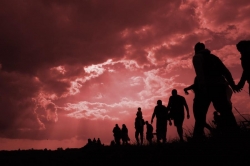
As the average temperature of Earth rises, the world is experiencing more severe weather events which are impacting agricultural production, human health and socioeconomic stability. The most vulnerable populations are disproportionately affected by consequences like food and water shortages, infrastructure damage and war over scarce resources, forcing many people away from their homes, communities and sometimes their country.
This interactive story map introduces students to the concept of climate migration with a collection of maps, facts, figures and photos that highlight how rising sea levels, excessive heat, water issues or armed conflict have already made some regions of the world unlivable, and could lead to higher displacement levels in the future. As students read through the stories and reflect on the images and data provided, they will learn about the millions of people threatened by climate change and deepen their awareness of why we must all take immediate action to curtail carbon emissions and protect our planet from further environmental degradation.With the understanding gained, students are then asked to reflect reflect on the question of "what can you do about climate change and migration?".
General Assessment
Recommendation of how and where to use it
This resource supports Grade 5-8 Social Studies lessons that are exploring the links between the environment, human settlement patterns and increasing urbanization. Students will also develop an awareness of how social and economic inequities impact climate resiliency and can increase the risks of instability and conflict. Science topics related to severe weather events and their socioecological impacts are examined from the context of immediate and long term effects on sea levels, freshwater availability and agricultural production.
A consistent message throughout this activity is the need for a concerted effort to reduce carbon emissions to prevent further global warming. Global action begins with local action, and a class might initiate a "Climate Hero" campaign that encourages peers and teachers to calculate their personal carbon footprint and offers emission reduction tips for home and school. The ClimateHero website provides a free online footprint calculator here.
Relevant Curriculum Units
The following tool will allow you to explore the relevant curriculum matches for this resource. To start, select a province listed below.
- Step 1Select a province
- Alberta
- Step 2Select a grade level
- Grade 5
- Step 3Select a subject
- Science
- Step 4Relevant matches
- Earth Systems: Understandings of the living world, Earth, and space are deepened by investigating natural systems and their interactions.
- Social Studies
- Step 4Relevant matches
- Citizenship: Understanding local, national, and global issues empowers individual and collective action toward an inclusive society
- Grade 6
- Step 3Select a subject
- Science
- Step 4Relevant matches
- Earth Systems: Understandings of the living world, Earth, and space are deepened through investigating natural systems and their interactions.
- British Columbia
- Step 2Select a grade level
- Grade 6
- Step 3Select a subject
- Social Studies
- Step 4Relevant matches
- Global Issues and Governance: Complex global problems require international cooperation to make difficult choices for the future.
- Global Issues and Governance: Economic self-interest can be a significant cause of conflict among peoples and governments.
- Grade 7
- Step 3Select a subject
- Science
- Step 4Relevant matches
- Science 7: Earth and its climate have changed over geological time
- Manitoba
- Step 2Select a grade level
- Grade 5
- Step 3Select a subject
- Science
- Step 4Relevant matches
- Earth Science
- Grade 7
- Step 3Select a subject
- Social Studies
- Step 4Relevant matches
- People & Places in the World: Global Quality of Life
- People & Places in the World: World Geography
- Grade 8
- Step 3Select a subject
- Science
- Step 4Relevant matches
- Earth Science
- New Brunswick
- Step 2Select a grade level
- Grade 7
- Step 3Select a subject
- Social Studies
- Step 4Relevant matches
- Cultures
- Cultures
- Empowerment: Civics
- Empowerment: Economics
- Atlantic Canada and the World
- Atlantic Canada and the World:
- Newfoundland & Labrador
- Step 2Select a grade level
- Grade 6
- Step 3Select a subject
- Social Studies
- Step 4Relevant matches
- How Can We Be Good Global Citizens?
- Northwest Territories
- Step 2Select a grade level
- Grade 6
- Step 3Select a subject
- Social Studies
- Step 4Relevant matches
- Global Issues and Governance: Complex global problems require international cooperation to make difficult choices for the future.
- Global Issues and Governance: Economic self-interest can be a significant cause of conflict among peoples and governments.
- Grade 7
- Step 3Select a subject
- Science
- Step 4Relevant matches
- Science 7: Earth and its climate have changed over geological time
- Nova Scotia
- Nunavut
- Ontario
- Step 2Select a grade level
- Grade 5
- Step 3Select a subject
- Science & Technology
- Step 4Relevant matches
- Earth and Space Systems: Conservation of Energy & Resources
- Grade 6
- Step 3Select a subject
- Social Studies
- Step 4Relevant matches
- People and Environments: Canada's Interactions With The Global Communty
- Grade 7
- Step 3Select a subject
- Geography
- Step 4Relevant matches
- Physical Patterns in a Changing World
- Science & Technology
- Step 4Relevant matches
- Earth and Space Systems: Heat in the Environment
- Grade 8
- Step 3Select a subject
- Geography
- Step 4Relevant matches
- Global Settlement: Patterns and Sustainability
- Science & Technology
- Step 4Relevant matches
- Earth and Space Systems: Water Systems
- Prince Edward Island
- Step 2Select a grade level
- Grade 5
- Step 3Select a subject
- Science
- Step 4Relevant matches
- Weather
- Grade 6
- Step 3Select a subject
- Social Studies
- Step 4Relevant matches
- World Issues
- Saskatchewan
- Step 2Select a grade level
- Grade 5
- Step 3Select a subject
- Science
- Step 4Relevant matches
- Weather
- Social Studies
- Step 4Relevant matches
- Canada: Resources and Wealth
- Grade 6
- Step 3Select a subject
- Social Studies
- Step 4Relevant matches
- Social Studies 6: Canada & Our Atlantic Neighbours -Resources and Wealth
- Yukon Territory
- Step 2Select a grade level
- Grade 6
- Step 3Select a subject
- Social Studies
- Step 4Relevant matches
- Global Issues and Governance: Complex global problems require international cooperation to make difficult choices for the future.
- Grade 7
- Step 3Select a subject
- Science
- Step 4Relevant matches
- Science 7: Earth and its climate have changed over geological time
Themes Addressed
Air, Atmosphere & Climate (1)
- Climate Change
Human Rights (1)
- Refugees and Immigration