- Home
- Tutorial
- Resource Guides
- Focus Areas
- LSF Programs
-
Professional
Development - Review Process
-
A project of LSF

Search for Resources
Description
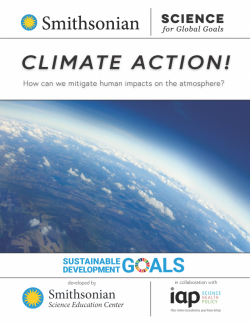
With this comprehensive guide students will explore human connections to the atmosphere and how human-caused changes to the atmosphere impact themselves and their communities. They take on the role of action researchers with the task of identifying local climate change problems and solutions. As researchers they first assess their own existing knowledge, then investigate to find answers and better understand the problems and finally take action based on what they have learned. The guide consists of seven parts and students complete two tasks in each.
Part One: Introduction to Climate Systems.
• Task One-Students learn 'what is a system' is, how humans impact systems and then investigate a shared future system.
• Task Two- Students create a 'futures mood board', play a game to better understand change in systems, and develop a list of community system elements to help with researching the relationships between humans and the atmosphere.
Part Two: Human Relationships to Climate Science.
• Task One- Students learn the difference between weather and climate, analyze climate data from oceanographers, meteorologists, glaciologists, botanists, firefighters, and economists, and assess how climate affects them personally
• Task Two- Students survey their community to determine how people receive and express information about climate change.
Part Three: Energy and Climate
• Task One- Students investigate how changes in gases in the atmosphere can affect energy in a system, model Earth's energy system, and develop ways to communicate about elements and relationships in Earth’s energy.
• Task Two- Students investigate natural and human additions of greenhouse gasses, analyze atmosphere concentrations, model greenhouse additions and removals in a game, and map their research area.
Part Four: Human Impacts on Climate
• Task One- Students explore how human life has changed over the past thousand years, analyze greenhouse gas additions in their own community and consider what it means for the future.
• Task Two- Students calculate greenhouse additions related to their lifestyle, create and understand their ‘choice influence profile’, and imagine the future.
Part Five: Individual Climate Action
• Task One- Students investigate mitigation strategies, understand what motivates people to act on climate change, and find a mitigation strategy that is right for them.
• Task Two- Students measure action that has been taken on their mitigation strategy, create a research organizer, and commit to the individual action they will take to implement their strategy
Part Six: Collective Climate Action
• Task One- Students model individual vs group action, compare small step-by-step improvements with larger, more significant shifts in mitigation, and learn about groups who are already taking climate change action.
• Task Two- explore the need for global collaboration on climate change mitigation and explore global mitigation examples.
Part Seven: Climate Action
• Task One- Students examine relationships between mitigation strategies in the system and analyze the system to find places where they can make a change.
• Task Two- Students act on their ideas and work toward a sustainable future.
General Assessment
What skills does this resource explicitly teach?
The goal of the guide is to not only prepare students to act but to build the skills needed to take action on issues that affect themselves and their communities. Students learn and practice skills in research, analysis, collaboration, moving to consensus, planning, presenting and evaluating results.
Strengths
- The resource is interesting and provides a comprehensive examination of climate change in the context of sustainability
- Excellent supports are provided for students and teacher for implementation and completion of the learning tasks
- The learning is student-driven and has a local focus
- Inquiry is a key component.
Weaknesses
- The time required to implement the guide may prove challenging.
Recommendation of how and where to use it
Given its inquiry design and the supporting information and guidance accompanying the activities, the resource can have application across a range of ages and grades in those subject areas addressing climate change. It will be of particular interest to those teaching earth science, environmental science, geography and world issues in grades 7 through 12.
Relevant Curriculum Units
The following tool will allow you to explore the relevant curriculum matches for this resource. To start, select a province listed below.
- Step 1Select a province
- Alberta
- British Columbia
- Step 2Select a grade level
- Grade 7
- Step 3Select a subject
- Science
- Step 4Relevant matches
- Science 7: Earth and its climate have changed over geological time
- Grade 11
- Step 3Select a subject
- Environmental Science
- Step 4Relevant matches
- Environmental Science 11: Human practices affect the sustainability of ecosystems
- Science
- Step 4Relevant matches
- Earth Science 11: The transfer of energy through the atmosphere creates weather and is affected by climate change
- Grade 12
- Step 3Select a subject
- Environmental Science
- Step 4Relevant matches
- Environmental Science 12: Human activities cause changes in the global climate system
- Manitoba
- New Brunswick
- Step 2Select a grade level
- Grade 7
- Step 3Select a subject
- Science
- Step 4Relevant matches
- Science 7 Earth Surface Processes: Learning and Living Sustainably
- Grade 9
- Step 3Select a subject
- Science
- Step 4Relevant matches
- Science 9 Ecosystem Dynamics: Learning and Living Sustainably
- Grade 10
- Step 3Select a subject
- Science
- Step 4Relevant matches
- Science 10 Science for Sustainable Societies: Scientific Literacy
- Grade 12
- Step 3Select a subject
- Environmental Science
- Step 4Relevant matches
- Introduction to Environmental Science 120: Investigating Environmental Issues
- Newfoundland & Labrador
- Step 2Select a grade level
- Grade 12
- Step 3Select a subject
- Environmental Science
- Step 4Relevant matches
- Environmental Science 3205: The Atmosphere and the Environment
- Northwest Territories
- Step 2Select a grade level
- Grade 7
- Step 3Select a subject
- Science
- Step 4Relevant matches
- Science 7: Earth and its climate have changed over geological time
- Grade 11
- Step 3Select a subject
- Environmental Science
- Step 4Relevant matches
- Environmental Science 11: Human practices affect the sustainability of ecosystems
- Science
- Step 4Relevant matches
- Earth Science 11: The transfer of energy through the atmosphere creates weather and is affected by climate change
- Grade 12
- Step 3Select a subject
- Environmental Science
- Step 4Relevant matches
- Environmental Science 12: Human activities cause changes in the global climate system
- Nova Scotia
- Nunavut
- Step 2Select a grade level
- Grade 7
- Step 3Select a subject
- Science
- Step 4Relevant matches
- Interactions and Ecosystems
- Grade 8
- Step 3Select a subject
- Science
- Step 4Relevant matches
- Interactions in Our Environment
- Grade 10
- Step 3Select a subject
- Science
- Step 4Relevant matches
- Science 10: Energy Flow in Global Systems
- Ontario
- Step 2Select a grade level
- Grade 7
- Step 3Select a subject
- Science & Technology
- Step 4Relevant matches
- Earth and Space Systems: Heat in the Environment
- Grade 9
- Step 3Select a subject
- Science
- Step 4Relevant matches
- :Biology: Sustainable Ecosystems
- Grade 10
- Step 3Select a subject
- Science
- Step 4Relevant matches
- Science (Academic):Earth and Space Science: Climate Change
- Science (Applied)::Earth and Space Science: Earth's Dynamic Climate
- Grade 11
- Step 3Select a subject
- Environmental Science
- Step 4Relevant matches
- Environmental Science (Univ/College Prep.) Scientific Solutions to Contemporary Environmental Challenges
- Environmental Science (Workplace Prep.) Human Impact on the Environment
- Geography
- Step 4Relevant matches
- Forces of Nature: Physical Processes and Disasters (Univ./College Prep.): The Physical Environment: Sustainability and Stewardship
- Prince Edward Island
- Step 2Select a grade level
- Grade 9
- Step 3Select a subject
- Science
- Step 4Relevant matches
- Science 9: Procedural Knowledge
- Grade 12
- Step 3Select a subject
- Environmental Science
- Step 4Relevant matches
- Environmental Science 621A: Environmental Challenges and Successes
- Geography
- Step 4Relevant matches
- Geography 621A Global Issues : Inquiry- What are the issues?
- Geography 631A Global Issues: What are the issues?
- Quebec
- Step 2Select a grade level
- Grade 7
- Step 3Select a subject
- Science & Technology
- Step 4Relevant matches
- The Earth and Space
- Grade 8
- Step 3Select a subject
- Science & Technology
- Step 4Relevant matches
- The Earth and Space
- Grade 10
- Step 3Select a subject
- Science & Technology
- Step 4Relevant matches
- Environmental Science & Technology: The Earth and Space
- Science & Technology: The Earth and Space
- Science and the Environment: The Earth and Space
- Saskatchewan
- Step 2Select a grade level
- Grade 10
- Step 3Select a subject
- Science
- Step 4Relevant matches
- Science 10: Climate and Ecosystem Dynamics
- Grade 11
- Step 3Select a subject
- Environmental Science
- Step 4Relevant matches
- Environmental Science 20: Atmosphere and Human Health
- Environmental Science 20: Student-Directed Study
- Yukon Territory
- Step 2Select a grade level
- Grade 7
- Step 3Select a subject
- Science
- Step 4Relevant matches
- Science 7: Earth and its climate have changed over geological time
- Grade 11
- Step 3Select a subject
- Environmental Science
- Step 4Relevant matches
- Environmental Science 11: Human practices affect the sustainability of ecosystems
- Science
- Step 4Relevant matches
- Earth Science 11: The transfer of energy through the atmosphere creates weather and is affected by climate change
- Grade 12
- Step 3Select a subject
- Environmental Science
- Step 4Relevant matches
- Environmental Science 12: Human activities cause changes in the global climate system
Themes Addressed
Air, Atmosphere & Climate (1)
- Climate Change
Energy (3)
- Alternative Energy
- Energy Generation
- Energy Use
Sustainability Education Principles
| Principle | Rating | Explanation |
|---|---|---|
| Consideration of Alternative Perspectives | Very Good | To carry out their roles as active researchers in this inquiry, students are provided with information and data from a range of current and credible sources. |
Consideration of Alternative Perspectives:
| ||
| Multiple Dimensions of Problems & Solutions | Very Good | In this investigation of human connection to the atmosphere students take a systems-thinking approach in which the interrelationship among all three dimensions is revealed. |
| Multiple Dimensions of Problems & Solutions: Effectively addresses the environmental, economic and social dimensions of the issue(s) being explored.
| ||
| Respects Complexity | Very Good | The guide enables students to learn about climate change, connect it to the larger system, consider all the complexities of the problem, decide for themselves the best way to address it, and then execute a solution. |
| Respects Complexity: The complexity of the problems/issues being discussed is respected. | ||
| Acting on Learning | Very Good | A stated goal of the guide is to help young people not just learn but also do. In practice, the students investigate local climate issues and use their findings to determine the best actions to take for the benefit their community. They then put those actions into practice. |
| Acting on Learning: Learning moves from understanding issues to working towards positive change — in personal lifestyle, in school, in the community, or for the planet
| ||
| Values Education | Very Good | Much attention is given to individual reflection regarding how issues surrounding climate change affect the students personally. |
| Values Education: Students are explicitly provided with opportunities to identify, clarify and express their own beliefs/values. | ||
| Empathy & Respect for Humans | Satisfactory | While not addressing specific groups the activities have been designed to promote open-mindedness and reflection issues related to equity, justice and local-global interconnections. These 'sustainability mindsets' will help prepare young people to take an active role in shaping the future of their communities and the world. |
| Empathy & Respect for Humans: Empathy and respect are fostered for diverse groups of humans (including different genders, ethnic groups, sexual preferences, etc.). | ||
| Personal Affinity with Earth | Satisfactory | The activities illustrate our connection to a larger natural system, in this case, the atmosphere. |
| Personal Affinity with Earth: Encourages a personal affinity with -the natural world.
| ||
| Locally-Focused Learning | Very Good | The ultimate goal of the resource is to facilitate informed action taken by students to address local climate change problems of their own choosing. |
| Locally-Focused Learning: Includes learning experiences that take advantage of issues/elements within the local community.
| ||
| Past, Present & Future | Good | The connection between humans and the atmosphere historically and in the future are explicitly addressed. |
| Past, Present & Future: Promotes an understanding of the past, a sense of the present, and a positive vision for the future. | ||
Pedagogical Approaches
| Principle | Rating | Explanation |
|---|---|---|
| Open-Ended Instruction | Very Good | Students learn as scientists learn. They work as researchers, often in teams conducting investigations and in doing so discover that there are not always clearly right or wrong answers. |
| Open-Ended Instruction
: Lessons are structured so that multiple/complex answers are possible; students are not steered toward one 'right' answer. | ||
| Integrated Learning | Good | While the content is primarily science-based and focused on scientific inquiry into climate change, students also use social science methods to better understand their communities. It's focus on building the skills needed for research, critical thinking, analysis and action will have application in other related subject areas in addition to science, including geography, world issues and environmental studies. |
| Integrated Learning: Learning brings together content and skills from more than one subject area
| ||
| Inquiry Learning | Very Good | The guide models scientific inquiry and how science is done. In conducting research and investigating climate change issues, students develop their own questions and determine the best way to answer them. |
| Inquiry Learning: Learning is directed by questions, problems, or challenges that students work to address.
| ||
| Differentiated Instruction | Very Good | The wide range of activities will address students with different learning styles. There are ideas/strategies included for addressing the needs of students with difficulties and those of different age groups, who are at various stages of readiness. |
| Differentiated Instruction: Activities address a range of student learning styles, abilities and readiness.
| ||
| Experiential Learning | Good | Guided by mentors from various fields of research, students conduct investigations using real world data to help them make decisions about the actions that would be best for their community. They then put those decisions into practice and see the results of their actions. |
| Experiential Learning: Authentic learning experiences are provided
| ||
| Cooperative Learning | Good | Most of the research, decision-making, and action is designed to completed by teams of students and support for this strategy is provided. |
| Cooperative Learning: Group and cooperative learning strategies are a priority.
| ||
| Assessment & Evaluation | Poor/Not considered | While there is no specific direction on when, where and how to evaluate student learning, there are numerous opportunities for teachers to fulfill their role as guides as the students complete their tasks. |
| Assessment & Evaluation: Tools are provided that help students and teachers to capture formative and summative information about students' learning and performance. These tools may include reflection questions, checklists, rubrics, etc. | ||
| Peer Teaching | Satisfactory | Scripted opportunities would take place during collaboration with team members. However student action plans may include a more significant teaching role for students as part of their implementation plans. |
| Peer Teaching: Provides opportunities for students to actively present their knowledge and skills to peers and/or act as teachers and mentors.
| ||
| Case Studies | Good | In their role as active climate researchers, students are informed by real people and real events. |
| Case Studies: Relevant case studies are included. Case studies are thorough descriptions of real events from real situations that students use to explore concepts in an authentic context. | ||
| Locus of Control | Very Good | The learning approach taken throughout the guide is provide ideas and support but to have students make key decisions about what and how they will learn. |
| Locus of Control: Meaningful opportunities are provided for students to choose elements of program content, the medium in which they wish to work, and/or to go deeper into a chosen issue. | ||